

HAIR & SCALP / PATIENT GUIDE
Which shampoo helps with hair fall?
Choose for your scalp and hair type. See which ingredients may help with flakes or breakage and when hair loss needs an assessment.

CARE FOR YOUR SCALP
Choose a shampoo for the problem you have.
Shampoo can help manage flakes and breakage. Persistent shedding or a widening part can point to a cause that needs treatment.
THE SHORT ANSWER
Match the shampoo to your scalp and hair.
A gentle cleanser and conditioner can help with breakage. A medicated shampoo may help if dandruff is the issue. See a dermatologist if shedding persists or thinning becomes visible.
Hair on your pillow, clumps in the shower drain, strands stuck in your comb. Suddenly even a simple hair wash feels stressful, and you start hunting for the one shampoo that will fix everything.
Here’s the truth upfront: the right shampoo can keep your scalp healthy and cut down on breakage, but it can’t reliably regrow hair you’ve lost to genetics or a medical problem.
That doesn’t mean your choice is meaningless. The right formula makes a real difference for dandruff, itching, dryness and damage. The trick is to pick a shampoo for the problem you actually have, not the promise printed on the bottle.
Can a Shampoo Really Stop Hair Fall or Grow New Hair?
At its core, shampoo is a cleanser. It washes away sweat, oil, dirt and leftover styling products. Conditioner smooths the hair shaft so there’s less friction and fewer broken strands. Neither one stays on your scalp long enough, or has strong enough evidence behind it, to undo the biology behind pattern baldness.
It also helps to know that breakage and shedding aren’t the same thing. Breakage is when a strand snaps somewhere along its length, usually from heat styling, colouring, rough handling or dryness. Shedding is when a whole strand is released during the normal hair cycle. It may have a small club-shaped bulb at one end. The follicle stays in the scalp. So seeing hair in the shower doesn’t automatically mean your shampoo is to blame.
If your hairline is moving back, your parting is getting wider or your crown is thinning, switching shampoos won’t solve it. A dermatologist will check for genetic hair loss, stress-related shedding, nutritional gaps, thyroid issues and scalp inflammation before suggesting any treatment.
The Ingredients: What Actually Works?
1. Ketoconazole: Your Go-To When Dandruff and Scalp Irritation Are the Problem
Ketoconazole is an antifungal you’ll find in medicated shampoos. It keeps in check the yeast linked to dandruff and seborrhoeic dermatitis, which means less itching, less flaking and a calmer scalp. If you can’t stop scratching, treating the root issue makes your scalp more comfortable and spares it the damage that constant scratching causes.
A few small studies hint that ketoconazole might give some extra help to certain people with pattern hair loss. But that evidence is thin. Think of ketoconazole shampoo as a dandruff treatment, not a proven way to regrow hair on its own.
Works best for: Oily, flaky or itchy scalps with diagnosed dandruff or seborrhoeic dermatitis.
How to use it: Stick to the label or your dermatologist’s advice. For dandruff, a common routine is twice a week for two to four weeks, then less often to keep things under control. Overusing it can leave your scalp dry or irritated.
2. Caffeine: Exciting Research, But No Promise of Regrowth
Caffeine has become a favourite in anti-hair fall shampoos because lab studies suggest it may affect how hair follicles behave. Clinical studies on topical caffeine products have shown some encouraging results, but many of them were small or had weaknesses in how they were designed.
There’s also a very practical issue: shampoo gets rinsed off. Results from leave-on lotions can’t simply be applied to a shampoo when you don’t know how much caffeine is in it or how long it actually touches your scalp.
Works best for: People looking for a cosmetic extra in a bigger hair-care routine, who understand the evidence is still early.
Keep your expectations real: If a caffeine shampoo suits your scalp, go ahead and try it. Just don’t use it in place of proper treatment for diagnosed androgenetic alopecia.
3. Saw Palmetto: Intriguing, But Still Unproven in Shampoo Form
Saw palmetto is a plant extract marketed for its possible effect on androgen pathways, including dihydrotestosterone (DHT), the hormone involved in pattern hair loss. A small number of studies have tested it as a supplement or a topical, with mixed and occasionally promising results.
Still, none of this proves that a saw palmetto shampoo can reverse balding. Extracts vary from brand to brand, and the short time it spends on your scalp limits how much it can do. There’s no reliable evidence that it matches established medical treatments.
Works best for: Someone who wants an optional supporting ingredient, not someone counting on a shampoo to bring back a receding hairline.
And please don’t start oral saw palmetto supplements on your own, especially if you’re pregnant or on other medicines, without checking with a doctor first.
4. Sulfate-Free Cleansers: Gentler on Hair, But They Don’t Regrow It
A sulfate free anti hair fall shampoo usually swaps out strong cleansing agents like sodium lauryl sulfate for milder ones. That can be a real help if your hair is dry, coloured, curly or easily irritated. That said, “sulfate-free” on the label doesn’t guarantee a formula is gentle.
Sulfates aren’t a known cause of permanent genetic hair loss. What really counts is whether your shampoo leaves your scalp feeling comfortable and your hair easy to manage. A mild shampoo followed by conditioner can mean less dryness, fewer tangles and less breakage.
Works best for: Dry, brittle, chemically treated or sensitive hair that feels rough after every wash.
5. Conditioning Ingredients: Great for Cutting Down Breakage
If your hair keeps snapping while you comb it, look for ingredients like glycerin, panthenol and conditioning polymers. They help hair hold on to moisture, glide more easily and stay manageable. Your hair may look smoother and fuller, but these ingredients don’t wake up new follicles.
Biotin, keratin and herbal extracts are often sold as growth boosters. In a shampoo, there’s generally no strong proof they lead to real regrowth. A long ingredient list doesn’t make something a clinically effective hair-loss treatment.
Which Shampoo Is Best for Hair Fall Control? Dermatologist-Style Advice
There’s no one dermatologist recommended shampoo that works for everybody. Choose based on what’s going on with your scalp and hair:
- Dandruff with itching or flakes: A ketoconazole-based medicated shampoo can help when it’s the right fit. Get professional advice if symptoms don’t settle.
- Dry, damaged or coloured hair: Go for a mild shampoo, sulfate-free if it suits you, and use conditioner after every wash to reduce breakage.
- Oily scalp without dandruff: A regular cleanser your scalp tolerates well, used often enough to control oil, is all you need. No need to pay extra for a “growth” shampoo.
- Sensitive scalp: Stick with a simple, fragrance-free formula if fragrance bothers you, and stop any product that causes burning or a rash.
- Receding hairline or visible thinning: Keep using a gentle shampoo for cleanliness, but get a proper hair-loss assessment instead of relying on cosmetic ingredients.
It’s fine to use a medicated shampoo on certain wash days and a gentle everyday one in between. Just follow medical advice rather than piling on several active ingredients at random.
So What Actually Helps Hair Grow Back?
Good treatment always starts with finding out why your hair is falling. For pattern hair loss, topical minoxidil has far stronger clinical evidence than any regular shampoo. Dermatologists may also consider prescription medicines, such as finasteride for suitable male patients, after checking whether it’s right for you and discussing possible side effects. These treatments need you to stay consistent, and visible results often take a few months.
Other causes call for different solutions. Shedding after an illness, childbirth, major stress or strict dieting often settles once the trigger passes. Iron deficiency, thyroid problems and other health issues need proper testing, not random supplements. Patchy hair loss, or painful and inflamed areas on the scalp, should be checked by a doctor without delay.
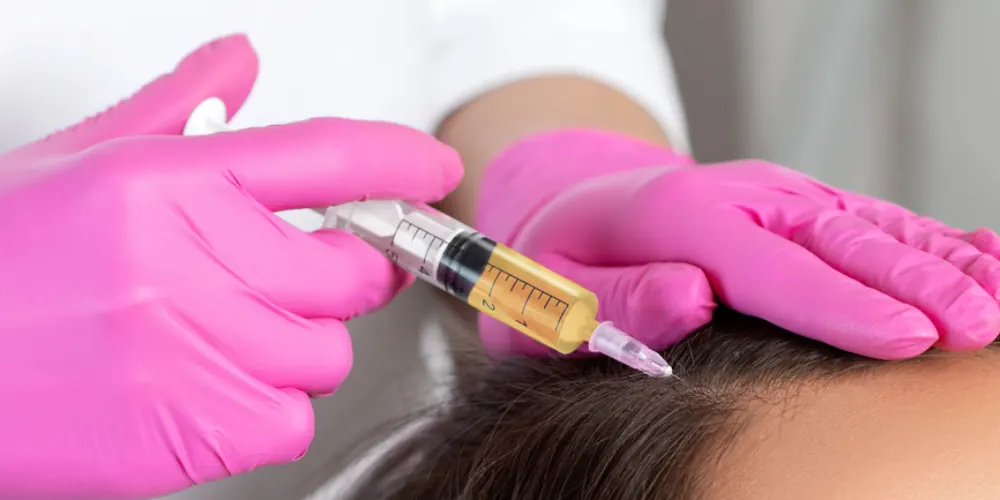
Procedures like platelet-rich plasma (PRP) or hair transplantation can be options for the right patients, but neither is the automatic first step for every case of hair fall.
How to Wash Your Hair Without Causing More Breakage
Use lukewarm water and massage the shampoo into your scalp gently with your fingertips, not your nails. Rinse it out well. Put conditioner mostly on the lengths and ends, then detangle slowly without tugging. Avoid very hot water, rough towel drying and frequent high-heat styling.
Wash as often as your scalp needs. There’s no fixed rule that washing every day causes hair loss, or that washing once a week protects your follicles. If your scalp gets greasy or flaky between washes, waiting too long may actually make things worse.
Watch for changes over weeks and months instead of counting every strand after a shower. Hair naturally moves through growing and shedding phases, and a single wash can’t tell you whether a treatment is working.
When Is It Time to See a Dermatologist?
Book an appointment if the shedding doesn’t stop, more of your scalp is showing, your hairline is changing, or you notice sudden bald patches, pain, redness or a lot of itching. These can be signs of conditions that no shampoo can fix.
At Dr. Dhabhai’s Skin Clinic in Malviya Nagar, Jaipur, Dr. Ravindra Dhabhai looks at your shedding pattern, scalp health and medical history before talking through options like medical treatment, scalp therapy, PRP or a hair transplant evaluation where suitable. Find out more abouthair loss treatment in Jaipur.
Frequently Asked Questions
Which shampoo is best for hair fall control and regrowth?
It depends on your scalp problem. A gentle shampoo helps prevent breakage, and ketoconazole can treat dandruff. Neither one reliably reverses genetic hair loss.
Does sulfate-free shampoo stop hair fall?
It can reduce dryness and breakage for some people, but it doesn’t block hormonal hair loss or bring dormant follicles back to life.
Can caffeine or saw palmetto shampoo grow new hair?
The evidence is still limited, especially for rinse-off products. Treat them as optional extras, not proven replacements for medical treatment.
How long does it take to see hair regrowth?
With the right treatment, visible changes usually take a few months. Your timeline depends on the diagnosis, the treatment and how your body responds.
The Final Word
If you want hair that looks and feels healthier, pick a shampoo that suits your scalp type, feels comfortable and helps with breakage. If you want real regrowth, find out why you’re losing hair in the first place. Pair sensible scalp care with a proper diagnosis and evidence-based treatment when you need it.
PERSONAL CARE / MALVIYA NAGAR, JAIPUR
Find out what is causing your hair fall.
Discuss persistent shedding, scalp symptoms and treatment options with Dr. Ravindra Dhabhai.
1st Floor, Plot No. 32, Above ICICI Bank, Girdhar Marg, Malviya Nagar, Jaipur, Rajasthan 302017
CONTINUE EXPLORING
Explore your care options
For patient education. This article does not replace an individual diagnosis or prescription. Discuss testing and supplements with your clinician; treatment suitability and results vary.