

SKIN HEALTH / PATIENT GUIDE
Fading Dark Spots Safely: A Dermatologist’s Guide to Reducing Excess Melanin
Learn how dermatologists assess dark spots and melasma and when sunscreen, prescription topicals, chemical peels or lasers may be appropriate.

CARE FOR UNEVEN PIGMENT
Treat the cause of the dark spots
Treatment depends on what caused the pigment and how your skin responds.
THE SHORT ANSWER
Start with sun protection and a diagnosis.
Melasma, post-acne marks and sun spots may need different care. A dermatologist can explain what suits your skin and the risk of irritation.
Most people who search for ways to reduce melanin aren’t trying to change their complexion. They’re bothered by something specific: a brown patch on the cheek that appeared after a pregnancy, acne marks that never quite left, or a tan line that has stuck around since summer.
Those concerns are valid, and there are good ways to treat them. But before you buy the strongest-sounding cream at the pharmacy, it helps to understand what’s going on underneath your skin.
First, a Word in Melanin’s Defence
Melanin is the pigment behind the colour of your skin, hair and eyes. Its main job is protection: it absorbs UV radiation and limits the damage sunlight does to your skin cells.
So melanin is something your skin needs. The problems people want fixed come from melanin being produced in excess or settling unevenly in certain spots. Good treatment targets that imbalance. It doesn’t try to strip away your natural shade.
How Your Skin Makes Pigment
Pigment is produced by cells called melanocytes, which sit mostly in the basal layer at the bottom of the epidermis.
Inside these cells, an enzyme called tyrosinase gets things moving. It converts the amino acid tyrosine into a series of compounds that end up as melanin. This process is known as melanogenesis.
The finished pigment is packaged into small sacs called melanosomes and handed over to surrounding skin cells, the keratinocytes. That transfer is what gives your skin its visible colour.
Two types of melanin do most of the work:
- Eumelanin creates brown and black shades. It’s more abundant in deeper skin tones and dark hair, and it provides a degree of natural sun protection.
- Pheomelanin creates yellow and red shades. It’s more prominent in people with red hair and in some fair skin types.
Your baseline colour comes from the mix of the two, the total amount produced, how evenly it’s spread and how active your melanocytes are. Much of this is set by your genes.
What Pushes Melanocytes Into Overdrive
Several things can prompt your skin to produce more pigment than usual:
- Long stretches in the sun without protection
- Hormonal changes, particularly pregnancy
- Inflammation from acne, eczema or other skin conditions
- Family history
- Some medications
- Ongoing friction, irritation or injury to the same patch of skin
When this happens, melanocytes can deposit extra pigment in concentrated areas, and you end up with hyperpigmentation.
Not Every Dark Patch Is the Same
A diagnosis matters because different types of pigmentation respond to different treatments. Something that clears an acne mark nicely may do nothing for melasma, or even make it worse.
Melasma appears as brown or greyish-brown patches, usually across the cheeks, forehead, nose and upper lip. Sun, hormones, genetics and overactive melanocytes all play a part. It’s known for being stubborn and for returning after successful treatment.
Post-inflammatory hyperpigmentation (PIH) is the darkening left behind after the skin has been inflamed or hurt. Acne, burns, eczema flare-ups, insect bites and overly aggressive skincare can all cause it. It’s especially common in medium and deeper skin tones.
Sun-related pigmentation builds up over years of UV exposure. It shows up as tanning, freckles, solar lentigines (sun spots) and general unevenness.
Hormone-related pigmentation can follow pregnancy, hormonal medicines or certain endocrine conditions. That said, a dark patch on its own isn’t proof of a hormone problem.
Irritation-related pigmentation develops when harsh scrubs, unsuitable products or repeated rubbing damage the skin barrier and trigger inflammation.
What a Realistic Treatment Plan Aims For
Dermatologists generally work on three fronts at once:
- Reducing overproduction. Certain topical medicines lower tyrosinase activity or interrupt other steps in pigment formation.
- Lightening existing pigment. Peels and some lasers can break up pigment or speed up the shedding of pigmented surface cells.
- Preventing new patches. Daily sun protection and control of inflammation keep results from slipping.
One point worth stating plainly: fading excess pigment is a different thing from permanently changing your natural skin colour. No responsible doctor will offer to wipe out melanin from healthy skin.
Creams and Gels: Where Most Treatment Starts
Topical treatment is usually the first step, and for many people it’s enough.
Hydroquinone is a prescription agent that lowers melanin production, mainly by interfering with tyrosinase. It’s often used for melasma and other forms of hyperpigmentation. Overuse or long unsupervised courses can cause irritation and, rarely, exogenous ochronosis, a persistent blue-black discolouration. It should be used only under a doctor’s supervision and only for the period they recommend.
Azelaic acid helps fade pigment while also calming inflammation. That makes it a useful choice for people dealing with active acne and dark marks at the same time.
Kojic acid also reduces tyrosinase activity and can help with superficial pigment. Some people develop irritation or allergic contact dermatitis from it, so patch testing is sensible.
Retinoids such as tretinoin speed up skin cell turnover, which helps even out patchy tone. They’re sometimes combined with other agents for melasma. Dryness, flaking and irritation are common at first, and retinoids are generally avoided in pregnancy.
Vitamin C is an antioxidant that helps the skin cope with oxidative stress from UV light, and some formulations give a mild brightening effect. It’s a helpful addition to a routine. It can’t replace sunscreen, though, and it won’t stand in for prescription treatment when pigmentation is significant.
Clinic Procedures for Stubborn Pigmentation
When creams alone aren’t enough, a dermatologist may suggest an in-clinic procedure. The choice depends on your diagnosis, how deep the pigment sits, your skin type, medical history and how you’ve responded to earlier treatments.
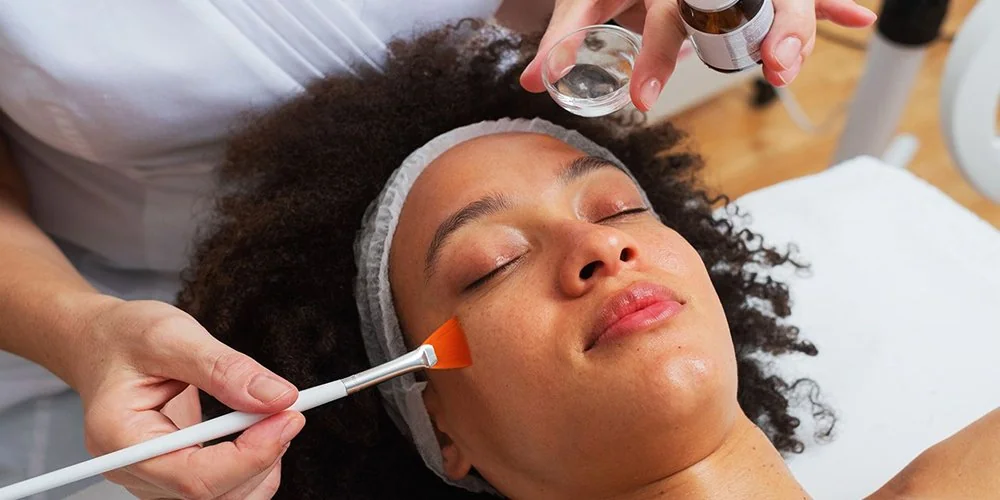
Chemical Peels
A peel uses a controlled acid solution to loosen and remove the upper layers of skin. Commonly used agents include glycolic, salicylic, mandelic and lactic acid, along with certain trichloroacetic acid (TCA) formulations.
Superficial peels can improve acne marks, sun damage and some cases of melasma. With Indian skin in particular, peel selection needs care, because too much irritation can trigger more pigmentation. A deeper peel is not a better peel by default; it carries a higher risk of scarring and PIH.
Q-Switched Lasers
Q-switched lasers deliver extremely short pulses of energy aimed at pigment in the skin. Q-switched Nd:YAG devices typically use 1064 nm and 532 nm wavelengths, depending on the machine and the condition being treated.
The pigment absorbs the energy and is broken into smaller fragments through what’s called a photoacoustic effect. Your body then clears these fragments naturally over time. These lasers can work well for certain pigmented lesions, but they aren’t suitable for every type of hyperpigmentation.
Laser Toning With ALMA Q
ALMA Q is a Q-switched Nd:YAG platform used for specific pigment treatments in aesthetic dermatology. In laser toning, the dermatologist uses low, carefully controlled energy to target pigment while limiting effects on nearby tissue. It’s sometimes used for uneven tone and for melasma that hasn’t improved with other treatment.
Laser toning isn’t a guaranteed or permanent cure for melasma. Repeated sessions can occasionally cause rebound darkening, blotchy light spots (hypopigmentation) or uneven colour.
A note on regulatory claims: a device having US-FDA clearance doesn’t mean every use of it, including melasma toning, has been separately approved or shown to be safe for everyone. Clearance applies to particular devices for particular uses. You’re entitled to ask your dermatologist which device they use, what it’s cleared for, what results are realistic and what the risks are.
Other Options
Depending on your condition, microneedling-assisted treatments or other specialised procedures may be recommended. These usually support standard medical treatment rather than replacing it.
Peel or Laser: How Do They Compare?
Peels work by removing surface layers, so they suit pigment that sits close to the top, such as many acne marks and superficial discolouration.
Q-switched lasers target pigment directly and can help with specific lesions and some resistant cases. Results vary a lot depending on the condition.
For melasma, the foundation is still prescription creams combined with strict sun protection. Lasers are usually added cautiously, and only when that approach hasn’t worked well enough. Whatever you choose, avoid picking a procedure simply because it promises faster lightening.
The Problem With Over-the-Counter “Fairness” Creams
One of the most common ways people harm their skin is by using lightening creams that contain potent steroids, often without realising it. Some “instant whitening” products include steroid combinations that shouldn’t be sold without a prescription, or ingredients that aren’t listed on the label.
Prolonged misuse of topical steroids can cause:
- Thinning and fragile skin
- Steroid-induced acne
- Visible blood vessels
- Increased redness
- Perioral dermatitis (a rash around the mouth)
- Blotchy pigmentation
- A rebound flare when the cream is stopped
Some unregulated products have also been found to contain mercury and other toxic substances.
It’s true that some prescription combination creams include a mild steroid for short-term use. That’s very different from applying a strong steroid cream on your own, month after month, to look fairer. If you’ve been using a steroid-based fairness cream regularly, see a dermatologist before stopping or switching, especially if your skin is red, burning or getting darker.
What You Can Do at Home
Home care can’t reliably reduce the melanin your genes have set, but it can stop pigmentation from getting worse and help your treatment work.
Use sunscreen every day. Choose a broad-spectrum product with SPF 30 or higher and apply it to all exposed skin. If you have melasma or persistent pigmentation, a tinted sunscreen with iron oxides offers added protection from visible light. Reapply roughly every two hours outdoors and after swimming or heavy sweating.
Avoid harsh DIY remedies. Lemon juice, baking soda, undiluted essential oils and gritty homemade scrubs can irritate the skin and leave you with more pigmentation than you started with.
Keep your routine simple. A gentle cleanser, a suitable moisturiser and whatever your dermatologist prescribes is usually enough. Layering several strong exfoliants without guidance tends to backfire.
Treat the underlying inflammation. Getting acne, eczema and similar conditions under control prevents new marks from forming.
Limit sun exposure. Hats, protective clothing and shade all reduce UV exposure and help maintain your results over time.
How Long Does Fading Take?
Patience is part of the process. Superficial marks may lighten gradually over several weeks to a few months, while deeper pigment can take considerably longer. Melasma often needs three to twelve months of steady treatment and may still recur.
Your timeline depends on the type and depth of pigmentation, your natural skin tone, how long the pigment has been there, your sun exposure, how consistently you follow treatment and how sensitive your skin is. Laser treatment typically involves several sessions, though nobody can give you an exact number without examining your skin.
Special Considerations for Indian Skin
Indian skin tones generally fall within the medium to deeper Fitzpatrick types, though the range is wide. These skin types are more prone to post-inflammatory hyperpigmentation after aggressive treatments, so planning matters.
A dermatologist may examine your skin closely, sometimes with a dermoscope or Wood’s lamp, before recommending anything. Laser settings, peel strength and medication choices should all be adjusted to suit you. The goal is healthier, more even skin, not the lightening of skin that is naturally and healthily pigmented.
When to Book a Dermatologist Visit
Consider getting your skin checked if:
- Dark patches are spreading or becoming more noticeable
- Pigmentation hasn’t improved despite consistent sunscreen use
- Acne marks aren’t fading
- A product is causing burning, redness or irritation
- Pigmentation worsened after a peel or laser session
- You’ve been using a steroid-based fairness cream
Any new or changing dark spot, especially one with irregular borders, multiple colours, bleeding or rapid growth, needs medical evaluation before any cosmetic treatment.
If you’re in Jaipur and want professional advice, Dr. Dhabhai’s Skin Clinic offers dermatology consultations. You can also learn more about laser treatment in Jaipur and discuss whether a laser-based approach suits your skin concern.
Frequently Asked Questions
Can melanin be reduced permanently?
There’s no universally safe method for permanently removing melanin from healthy skin. Treatment can fade excess pigmentation, but keeping results usually requires ongoing sun protection and maintenance care.
Does sunscreen lower melanin production?
Sunscreen reduces the UV stimulation that prompts melanocytes to make more pigment. Used consistently, it stops pigmentation from worsening and helps other treatments work better.
Are Q-switched lasers safe for Indian skin?
They can be, for the right patient, when an experienced dermatologist uses appropriate settings. Because Indian skin is prone to both PIH and hypopigmentation, a thorough assessment beforehand is essential.
How many laser sessions will I need?
That depends on your diagnosis, pigment depth, the laser used and how your skin responds. Some conditions need multiple sessions, and some aren’t suitable for laser treatment at all.
Do chemical peels remove pigmentation for good?
Peels can improve certain types of pigmentation, but it may come back if triggers such as sun exposure, acne or hormonal changes continue.
Which works better, creams or lasers?
For many common pigmentation problems, and melasma in particular, prescription creams and sunscreen come first. Lasers are generally reserved for resistant cases or specific pigmented lesions.
Can I reduce melanin naturally at home?
Home care helps prevent extra pigmentation through sun protection, gentle skincare and inflammation control. Natural remedies can’t reliably change your baseline melanin or treat every pigmentation disorder.
The Bottom Line
Melanin protects your skin, and treating pigmentation should never mean fighting against it. The real aim is to correct excess or uneven pigment safely.
Under a dermatologist’s guidance, prescription creams, chemical peels and well-chosen Q-switched laser procedures can make a real difference. Steer clear of unregulated bleaching products, unprescribed steroid creams and harsh home remedies that damage the skin barrier.
If your pigmentation isn’t going away, an accurate diagnosis is the best place to start. For help with dark spots, melasma or uneven tone, visit Dr. Dhabhai’s Skin Clinic for laser treatment in Jaipur and explore your options with a dermatologist.
PERSONAL CARE / MALVIYA NAGAR, JAIPUR
Discuss your skin pigmentation.
Dr. Ravindra Dhabhai can assess dark spots and discuss care for your skin type.
1st Floor, Plot No. 32, Above ICICI Bank, Girdhar Marg, Malviya Nagar, Jaipur, Rajasthan 302017
CONTINUE EXPLORING
Explore your care options

For patient education. Discuss diagnosis and treatment with a qualified healthcare professional.