

SKIN HEALTH / PATIENT GUIDE
How to Cure Fungal Infection on Skin: Why Home Remedies Fail and Clinical Treatments Work
Learn how ringworm is diagnosed and treated, why steroid creams can worsen it, and when to see a dermatologist for a recurring rash.

UNDERSTAND RINGWORM
Why an itchy rash can come back
A rash that spreads or returns may need a skin examination.
THE SHORT ANSWER
Get the rash assessed if it persists.
The right treatment depends on what is causing the rash, where it is and whether it has spread.
It usually starts small. A round, itchy patch shows up on your waist or thigh, and you think nothing of it. Maybe you rub on some coconut oil, or your mother suggests haldi, or the chemist down the road hands you a cream that “works for everyone.” The itch settles for a few days. Then the patch comes back, a little bigger and a little darker than before.
If this sounds familiar, you’re far from alone. We see this pattern in our clinic almost every week, especially with ringworm (tinea). A lot of people try to sort it out at home first, which is understandable. Nobody wants to visit a doctor for “just a rash.” But once a fungal infection has settled into the skin, home care alone rarely finishes the job.
Let’s walk through what’s really going on, what helps, what doesn’t, and why one very common type of cream can quietly make things worse.
Can You Treat It Naturally at Home?
Here’s the honest answer. Home care can make a real difference in comfort and in stopping the spread, but it usually can’t kill an established fungal infection on its own. There just isn’t solid clinical evidence that household remedies reliably clear ringworm.
That said, these habits genuinely help:
Keep the area clean and dry. Wash gently, pat it fully dry (don’t leave it damp), and change out of sweaty clothes quickly. Give extra attention to the groin, underarms, feet and any skin folds.
Wear loose, breathable clothing. Tight jeans and synthetic fabrics trap sweat and rub against the skin. Cotton is your friend, and don’t sit around in damp gym wear or innerwear.
Don’t share personal things. Ringworm spreads through touch and through shared items. Keep your own towel, clothes, bedsheet and comb. Wash fabrics often and let them dry completely, ideally in the sun.
Try not to scratch. We know it’s hard. But scratching breaks the skin and carries the fungus to other parts of your body. Keep nails short and wash your hands after touching the patch or applying anything to it.
Go easy on the popular remedies. Coconut oil, turmeric, neem, garlic, vinegar and tea tree oil all get recommended a lot. Some of them do show antifungal activity in lab dishes, but that’s very different from proving they cure ringworm on real skin. Garlic, vinegar and undiluted essential oils can also burn or irritate the skin and trigger contact dermatitis on top of the infection.
The bottom line: good hygiene helps prevent fungal growth and reinfection, but an active infection usually needs a proper antifungal medicine.
Why Home Remedies Let You Down
A fungal infection is a living organism growing in your skin. It needs a treatment that actually targets it. Most home remedies calm the itch or dry the skin for a while without getting rid of the fungus, and that leads to three problems.
First, the treatment is incomplete. The patch looks better on the surface while the infection keeps going underneath.
Second, the real diagnosis gets delayed. If the rash is actually eczema or psoriasis, weeks of fungal remedies won’t help at all.
Third, it keeps spreading. Untreated ringworm can move to other parts of your body or to people you live with.
If a rash keeps hanging around, seeing a dermatologist will save you a lot of time compared to cycling through one remedy after another.
The Problem With Quadriderm, Betnovate and Other Steroid Creams
This is the mistake we see most often, and it’s the one that causes the most trouble.
Many creams sold over the counter, including some versions of Quadriderm and Betnovate, contain a corticosteroid. Not every product under these names is the same, so always read the actual ingredients on the tube instead of going by the brand.
Steroids are very good at reducing redness, swelling and itching. That’s exactly why they feel like they’re working. Within a few days the patch looks calmer and you think it’s healing.
But steroids don’t kill fungus. What they do is dampen the skin’s local immune defence, which can let the infection spread more freely while hiding the signs that would normally give it away.
What Is Tinea Incognito?
“Incognito” means in disguise, and that’s a good description. Tinea incognito is ringworm whose usual look has been changed by steroid use. Instead of a neat ring, the infection may:
- Spread larger and wider
- Lose its clear edge
- Look unusually red or irritated
- Become hard to recognise, even for doctors
- Flare up again as soon as you stop the cream
Using steroid creams for a long time can also thin the skin and cause stretch marks, among other side effects.
To be clear, steroid creams don’t directly make the fungus resistant to antifungal drugs. The real harm is that they disguise the infection, delay the right treatment and help keep it going. The Indian Council of Medical Research has specifically advised people not to self-treat dermatophytosis with steroid-containing creams.
If you’ve already been using one, don’t worry. Just bring the tube with you when you see a dermatologist so they can adjust your treatment accordingly.
Treatments That Actually Work
A dermatologist chooses treatment based on where the infection is, how much skin it covers, how severe it is, what you’ve already used, and whether the diagnosis has been confirmed.
Antifungal creams
For a small, mild patch on ordinary skin, an antifungal cream is often the first step. Common ingredients include:
- Clotrimazole
- Terbinafine
- Ketoconazole
- Miconazole
Unlike steroids, these go after the fungus itself. A typical course runs about two to four weeks, depending on the medicine and the infection. The important part is to keep applying it for the full course, even after the patch seems to have gone. Stopping early is one of the main reasons ringworm comes back.
Avoid steroid-antifungal combination creams unless a doctor has specifically told you to use one.
Oral antifungal medicines
Some infections simply won’t clear with a cream. Your dermatologist may prescribe tablets if the infection:
- Covers a large area or several parts of the body
- Keeps returning despite proper treatment
- Involves the scalp or some hair-bearing areas
- Hasn’t responded to a cream that was used correctly
Medicines such as terbinafine or itraconazole are commonly used. These need medical supervision because they can interact with other medicines and occasionally cause side effects, including effects on the liver. The right drug and duration depend on your case, so please don’t take or repeat someone else’s prescription.
Skin tests to confirm the diagnosis
If a rash keeps returning or isn’t responding, your doctor may suggest a KOH (potassium hydroxide) test. A few skin flakes are scraped off and checked under a microscope for fungus. It’s quick and painless.
In some cases, a fungal culture or further testing can help look into stubborn infections or possible drug resistance. Getting the diagnosis right means you only take medicine you actually need.
Why Does It Keep Coming Back?
Recurring ringworm doesn’t automatically mean the fungus has become resistant. More often, it’s one of these:
- The antifungal was stopped too soon
- A steroid cream was used
- Infected towels or clothes kept re-exposing the skin
- Another patch somewhere on the body went untreated
- A family member or pet also has it
- The skin stays sweaty or damp for long periods
- The original diagnosis wasn’t fungal at all
Sometimes resistant dermatophytes really are the cause. A dermatologist can work out which of these applies to you, instead of just handing you another round of the same cream.
When Should You See a Dermatologist?
Book an appointment if:
- The infection is spreading fast or covers a large area
- It isn’t improving with proper antifungal treatment
- It keeps coming back
- You’ve been using a steroid cream for several weeks
- Your scalp, beard area or nails are affected
- You have diabetes or a weakened immune system
- The skin turns painful, swollen or starts producing pus
If you develop fever or the inflammation worsens quickly, get seen promptly.
Charm Rog Fungal Treatment in Jaipur: Consult Dr. Dhabhai
If you’re looking for charm rog fungal treatment in Jaipur, the first step is getting the diagnosis right.
At Dr. Dhabhai’s Skin Clinic in Malviya Nagar, we assess fungal infections, recurring rashes, pigmentation and a wide range of other skin concerns. Every patient gets an individual evaluation, and treatment is based on evidence rather than guesswork.
Depending on what we find, your plan may include a clinical examination, the right antifungal medicine, skincare advice, and follow-up visits to help keep the infection from returning. If you’re bothered by dark marks left behind after an infection, we can also talk about pigmentation care once the active infection has cleared.
Dr. Dhabhai’s Skin Clinic
Above ICICI Bank, 1st Floor, Girdhar Marg, Malviya Nagar, Jaipur, Rajasthan 302017
Phone: +91 97727 60561
Frequently Asked Questions
Can I cure a fungal skin infection naturally at home?
Keeping the skin dry, wearing breathable clothes and maintaining good hygiene all help recovery and prevent reinfection. But home remedies haven’t been reliably shown to cure ringworm, and most cases need an antifungal medicine.
What’s the fastest way to get rid of it?
That depends on the diagnosis and how severe it is. A small patch often responds to an antifungal cream, while widespread infection may need prescription tablets.
Is Betnovate safe to use on ringworm?
Betnovate formulations containing a steroid shouldn’t be used to self-treat ringworm. They can ease the itch for a while but allow the infection to get worse.
How long does it take to heal?
Many straightforward skin infections need about two to four weeks of cream. Widespread, recurring, scalp or nail infections usually take longer.
How do I fade the dark marks afterward?
First make sure the infection is gone. After that, gentle skincare, daily sun protection and dermatologist-recommended treatment can help. Expect it to take a few months.
Why does ringworm come back even after using an antifungal cream?
Common reasons include stopping treatment early, getting reinfected, an untreated patch elsewhere, or a wrong diagnosis. Occasionally, antifungal resistance plays a part.
Final Thoughts
Looking after your skin at home matters. Staying dry, not sharing towels and keeping good hygiene are all worth doing. They just can’t replace proper antifungal treatment once an infection has taken hold.
Steroid creams can make ringworm harder to spot and harder to treat, and an infection left alone tends to keep spreading. If yours is stubborn, recurring or covering a lot of skin, a proper diagnosis and targeted treatment is the most reliable way to finally be done with it.
Tired of ringworm or dark marks that keep coming back? Visit Dr. Dhabhai’s Skin Clinic in Jaipur for a personalised skin assessment and treatment plan.
Medical disclaimer: This article is for general education only and is not a substitute for a professional diagnosis or personal medical advice.
PERSONAL CARE / MALVIYA NAGAR, JAIPUR
Get a recurring rash assessed.
Discuss a persistent or spreading rash with Dr. Ravindra Dhabhai.
1st Floor, Plot No. 32, Above ICICI Bank, Girdhar Marg, Malviya Nagar, Jaipur, Rajasthan 302017
CONTINUE EXPLORING
Explore your care options
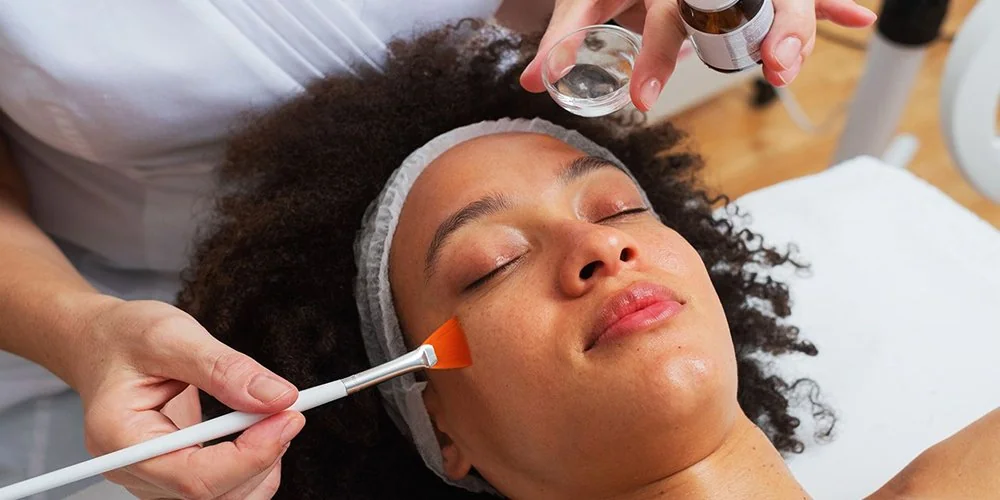
For patient education. Discuss diagnosis and treatment with a qualified healthcare professional.