

SKIN HEALTH / PATIENT GUIDE
Fractional CO2 Laser vs MNRF for Acne Scars: Which Treatment Yields Better Results?
Compare fractional CO2 laser and MNRF for acne scars, including scar types, recovery, risks, combination procedures and illustrative costs.

START WITH THE SCAR TYPE
Match treatment to the scar pattern.
Scar depth, skin tone and treatment history help guide a tailored plan.
THE SHORT ANSWER
There is no single procedure for every scar.
A dermatologist can assess your scar pattern and explain recovery, potential complications and whether a combination of treatments may help.
Acne has a frustrating habit of leaving a souvenir. The breakouts settle down, life moves on, and then one day you catch your reflection in harsh bathroom light and notice the little pits and uneven patches that never quite went away. Serums and face washes can keep your skin healthy, but they won’t lift a scar that has already formed. That job usually falls to a dermatologist.
When patients come in asking about scar treatment, two options tend to dominate the conversation: Fractional CO2 Laser and MNRF (Microneedling Radiofrequency). Both encourage the skin to produce new collagen. Both can make a real difference. But they go about it in different ways, they suit different scars, and one will keep you indoors a lot longer than the other.
If you’ve been looking into fractional CO2 laser for acne scars, or you’re comparing the MNRF treatment cost in Jaipur, read on. By the end, you should have a clearer idea of which direction makes sense for you.
A quick heads-up before we dive in. Nobody can tell you which treatment is “the best” without looking at your skin. Scar type, depth, skin tone and how much downtime you can manage all play a part. And quite often, the smartest plan uses more than one procedure.
Start Here: What Kind of Scars Do You Have?
This is the question most people skip, and it’s the one that matters most. Acne scars come in a few distinct shapes, and each responds differently to treatment.
1. Icepick Scars
Picture a tiny, deep hole, as if the skin had been pricked with a sharp tool. Icepick scars are small at the opening but can go surprisingly deep. Because of that depth, treatments that work on the surface often can’t do much for them.
Treatments that tend to work: TCA CROSS, punch procedures for selected scars, and combination approaches.
2. Boxcar Scars
Boxcar scars are wider, with flat bottoms and steep, clear-cut edges. They often show up on the cheeks and near the temples. Some sit close to the surface. Others are more noticeable dents.
Treatments that tend to work: Fractional CO2 laser, MNRF, and certain surgical techniques.
3. Rolling Scars
These don’t have sharp edges at all. Instead, the skin looks gently uneven, rising and dipping like a wave. What’s happening underneath is that strands of scar tissue have anchored the skin to deeper layers, pulling it downward.
Treatments that tend to work: Subcision for rolling scars, usually followed by fractional CO2 laser or MNRF.
Here’s the thing, though. Very few people have only one kind. Most faces show a combination, which is exactly why a tailored plan usually outperforms a single go-to procedure.
Fractional CO2 Laser for Acne Scars: How It Works
Fractional CO2 laser belongs to the “ablative” family of treatments. That simply means it removes a very small amount of skin in a controlled way, so the skin can grow back smoother.
The laser creates a grid of microscopic channels in the treated area. Your skin treats each of these as a minor injury and gets to work repairing it. In the process, it lays down new collagen and reorganises the existing collagen. Over the next few months, sunken scars start to look less deep.
Older laser resurfacing took off the entire outer layer of skin, which meant long, difficult recoveries. Fractional lasers are different. They only treat tiny columns of skin at a time and leave untouched skin around each one. That surrounding skin helps the treated areas heal faster.
What About AcuPulse CO2 Laser?
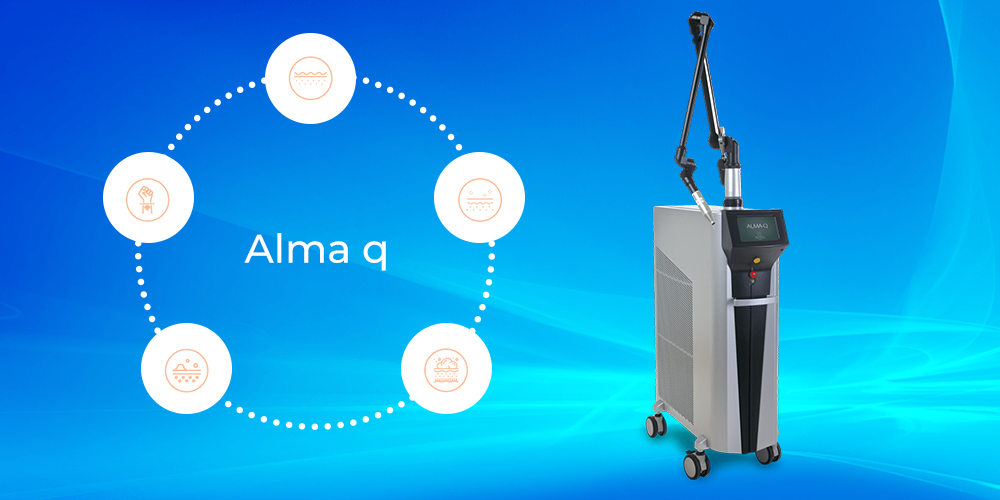
AcuPulse is a CO2 laser platform that lets the doctor deliver energy precisely where it’s needed. It triggers resurfacing along with collagen remodelling, and it’s commonly used to improve:
- Boxcar scars that are shallow to moderately deep
- Rough, uneven skin texture
- Some superficial depressions left by acne
- The general smoothness of the skin
For the right candidate, results can be quite satisfying. It does have limits, though. Deep icepick scars and rolling scars held down by scar tissue usually need additional treatments alongside it.
Where Fractional CO2 Laser Shines
- Visibly smoother texture over time
- Strong collagen stimulation
- Noticeable softening of boxcar scars
- Adjustable depth, so treatment can be fine-tuned
- Gradual results that can hold up well over the long term
Now for the honest part. Because this laser actually removes skin, recovery involves more redness and peeling, and you’ll need more time off than you would with MNRF.
MNRF for Acne Scars: How It Works
MNRF combines two things: very fine needles and radiofrequency energy. The needles go into the skin, and once they reach the deeper layer (the dermis), they release heat. That heat signals the skin to rebuild and reorganise its collagen.
What makes MNRF different is that most of the action happens below the surface. The top layer of skin is left largely intact, so recovery is typically quicker and less dramatic than with an ablative laser.
It’s a favourite among people who want results but can’t take a full week away from work, college or family commitments.
Where MNRF Shines
RF microneedling can also cause serious complications, including burns, scarring, fat loss and nerve injury. The FDA highlighted reports of these harms in its October 2025 safety communication. Discuss device choice, treatment depth, settings and risks with a trained medical professional before treatment.
- Good results on mild to moderate sunken scars
- Encourages new collagen production
- Improves texture across the treated area
- Can help pores look tighter and smaller
- Recovery is generally short
- Usually a lower risk of pigmentation than aggressive ablative lasers
That pigmentation point is especially relevant for Indian skin. Darker skin types are more likely to develop post-inflammatory hyperpigmentation, those stubborn dark patches that can appear after the skin is injured. MNRF tends to be a gentler option in that respect.
The downside is that it asks for patience. You’ll typically need a series of sessions, and the improvement creeps in slowly.
Fractional CO2 Laser vs MNRF: A Quick Comparison
Both rely on collagen to do the heavy lifting. Where they differ is in technique and what recovery looks like.
Feature | Fractional CO2 Laser | MNRF |
|---|---|---|
Technology | Ablative laser | Needles combined with radiofrequency |
What it mainly does | Resurfaces and remodels collagen | Builds collagen in the deeper skin |
Ideal for | Boxcar scars, uneven texture | Mild to moderate sunken scars |
Surface damage | Greater | Usually less |
Visible downtime | Roughly 5–10 days | Roughly 1–3 days |
Typical sessions | 3–4 | 3–6 |
Pigmentation risk | Generally higher | Generally lower |
Discomfort level | Moderate, depends on settings | Moderate, depends on settings |
Results timeline | Builds over several months | Builds over several months |
Suits people who | Are good resurfacing candidates and can take time off | Prefer a faster return to routine |
Treat these figures as a rough guide. Session count, risks and healing time all depend on the device, how strong the settings are, your skin type and your body’s own healing response.
Which One Will Give You Better Results?
The truthful answer is: it depends on your scars.
If your main concern is boxcar scarring or obvious surface roughness, fractional CO2 laser often pulls ahead. It resurfaces the skin and stimulates collagen at the same time, which gives it more power for those particular issues.
If your scars are on the milder side, MNRF can produce genuinely worthwhile improvement, with an easier recovery and less disruption to the skin’s surface.
When researchers have compared the two head to head, fractional CO2 laser has sometimes shown a slight edge in average improvement. That extra benefit, however, comes with more discomfort, longer-lasting redness and a higher chance of dark patches afterward.
It’s also worth saying clearly: neither treatment will erase scars completely. If a clinic promises flawless skin, be cautious.
For anyone dealing with several scar types at once, a combination plan usually achieves more than either treatment on its own.
Downtime: AcuPulse CO2 Laser vs MNRF
For many people, this is the factor that settles the decision. Office meetings, exams, family functions; life doesn’t pause just because you’ve had a procedure.
Healing After AcuPulse CO2 Laser
Since the laser creates small, deliberate wounds, your skin needs a proper healing window.
- Days 1–2: Redness, swelling, a warm sensation and tenderness are normal.
- Days 3–5: The skin may feel rough and develop light crusting and peeling.
- Days 5–10: New skin gradually forms over the treated area.
- Weeks after: Some pinkness can linger, particularly after a more intense session.
Most people need about a week before they feel ready to face the world. Stronger treatments may stretch that further.
Healing After MNRF
MNRF is far kinder to the skin’s surface, and recovery reflects that.
- Day 1: Mild redness, some swelling and sensitivity.
- Days 2–3: Things usually start settling down.
- A few days later: You might notice faint pinpoint marks or slight sensitivity after stronger settings.
Many patients go back to their regular routine within a day or two, depending on how intense the session was.
No matter which treatment you choose, three habits protect your results: daily sunscreen, a gentle skincare routine, and following your dermatologist’s aftercare instructions carefully.
Why a Combination Plan Often Works Better
Think about it this way. If your face has icepick, boxcar and rolling scars all at once, you’re dealing with three different problems at three different depths. Expecting one machine to fix all of them is a bit unrealistic. A combined plan lets your dermatologist tackle each scar type with the tool best suited to it.
Subcision for Rolling Scars
Subcision for rolling scars goes straight after the cause. Those fibrous bands that tether the skin and create the wavy look are cut loose, so the skin can lift back up.
The dermatologist uses a special needle or a blunt cannula, slipping it just beneath the scar and moving it to break the bands.
After the skin has been released, fractional CO2 laser or MNRF can be scheduled later in the plan to smooth out any remaining texture.
You may notice bruising, swelling or tenderness for a few days. Some people need more than one session.
TCA CROSS for Icepick Scars
TCA CROSS for icepick scars is a highly targeted technique. CROSS stands for Chemical Reconstruction of Skin Scars.
Using a fine applicator, the dermatologist places a high-strength trichloroacetic acid solution directly into individual deep scars. This causes a small, controlled injury inside the scar, prompting collagen to build up from the base.
It’s one of the more effective options for narrow, deep icepick scars, which often don’t respond well to laser or MNRF alone.
This is not something to try at home or have done by an untrained provider. Incorrect application can lead to burns, changes in skin colour or scars that end up worse than before.
Pairing the Right Treatment with the Right Scar
A typical combination plan might look like this:
- Subcision to free tethered rolling scars
- TCA CROSS for deep icepick scars
- Fractional CO2 laser for boxcar scars and rough texture
- MNRF for broader collagen building and texture refinement
These are generally done over separate appointments rather than all in one sitting. The order is decided based on your scars, how sensitive your skin is and how well you heal between sessions.
MNRF Treatment Cost in Jaipur
You won’t find one fixed figure for MNRF treatment cost in Jaipur. Pricing varies with the clinic, the device, the area being treated, how severe the scars are and how many sessions you’ll need.
As a very rough market estimate, one MNRF session in Jaipur may cost anywhere from ₹5,000 to ₹25,000. Please treat this as a general indication only, not a confirmed price from any specific clinic.
A few things that influence what you’ll end up paying:
- Severity of scarring: Deeper or more widespread scars usually call for more sessions.
- Treatment area: Treating the whole face generally costs more than a small section.
- Device and protocol: Different MNRF machines and techniques come with different price tags.
- Number of sessions: The more sessions you need, the higher the total.
- Additional procedures: Subcision, TCA CROSS or laser sessions may be billed separately.
Before starting, ask the clinic for a detailed estimate that lists the expected number of sessions and any add-on procedures.
One piece of advice we’d stand by: don’t let price be the deciding factor. A skilled dermatologist and a careful scar assessment are worth far more than a lower quote.
Choosing the Right Acne Scar Treatment for You
Picking a treatment isn’t really about picking a machine. It’s about understanding your skin. A dermatologist will usually consider:
- Scar type: Icepick, boxcar, rolling or a mix of all three.
- Scar depth: Shallow scars and deep, tethered scars need very different handling.
- Skin tone: Darker skin carries a higher risk of post-treatment pigmentation.
- Active breakouts: If acne is still active, it often needs to be controlled first.
- Available downtime: CO2 laser generally means a longer, more visible recovery.
- Treatment history: What you’ve tried before, and how your skin reacted, shapes what comes next.
For patients with darker Indian skin tones, pigmentation risk deserves special attention, particularly when ablative laser treatment is being considered.
At Dr. Dhabhai Skin Clinic in Jaipur, patients can explore a range of acne scar treatment options, including fractional laser resurfacing, MNRF, subcision and TCA CROSS. A detailed consultation helps decide which of these fits your specific scar pattern.
Learn more:Acne scar treatment in Jaipur
Frequently Asked Questions
Is fractional CO2 laser better than MNRF for acne scars?
It can be, for certain boxcar scars and surface unevenness. MNRF, though, offers a quicker recovery and is often preferred by people worried about pigmentation. The better choice really comes down to your individual scars.
How many sessions of MNRF will I need?
Usually somewhere between three and six. Your exact number depends on scar severity, the settings used and how your skin responds after each round.
Can MNRF be done on Indian skin?
Yes. MNRF is widely used on a range of skin tones and usually carries a lower pigmentation risk than aggressive ablative lasers. Side effects, including dark patches, are still possible, so experience matters when choosing a doctor.
Is the procedure painful?
Most patients say it feels uncomfortable rather than truly painful. A numbing cream is normally applied about 30 to 60 minutes before the session, which helps a lot. During treatment you might feel heat, prickling or light snapping. Afterward, the skin may feel warm and tight, a bit like mild sunburn, for a day or two. If you’re nervous about pain, mention it beforehand so your doctor can plan accordingly.
How soon will I notice results?
Patience pays off here. Collagen rebuilds slowly, so visible changes usually start around four to six weeks after a session and continue improving for months. Many people see the clearest difference after their second or third sitting. Since daily changes are subtle, taking photos in the same lighting before each appointment is a great way to track progress.
Final Verdict: Fractional CO2 Laser or MNRF?
Fractional CO2 laser and MNRF are both trusted, well-established treatments for sunken acne scars. Neither one is the right answer for everybody.
Fractional CO2 laser tends to suit people with prominent boxcar scars and rough texture who can make room for a longer recovery.
MNRF tends to suit people who want collagen-boosting benefits with a faster return to normal life and less impact on the skin’s surface.
And if your scars are a mix of types, combining these with targeted treatments like subcision and TCA CROSS can give you a much more complete improvement.
If you’re considering acne scar removal in Jaipur, the best first step is a proper evaluation of your scars, your skin and your goals.
Book a consultation with Dr. Dhabhai Skin Clinic for a treatment plan designed around your skin.
Visit:Acne scar treatment in Jaipur
Medical Disclaimer: This article is meant for general education and should not replace professional medical advice. Treatment suitability, outcomes, recovery time and possible complications differ from person to person.
PERSONAL CARE / MALVIYA NAGAR, JAIPUR
Get an acne scar assessment.
Dr. Ravindra Dhabhai can examine your skin and discuss treatment suitability, expected results and risks.
1st Floor, Plot No. 32, Above ICICI Bank, Girdhar Marg, Malviya Nagar, Jaipur, Rajasthan 302017
CONTINUE EXPLORING
Explore your care options
For patient education. Discuss diagnosis and treatment with a qualified healthcare professional.