

LASER TREATMENTS / PATIENT GUIDE
Does Laser Hair Removal Lighten Skin? The Truth About Dark Underarms
Understand why underarms darken, when diode laser hair reduction helps fade irritation-related marks, and when pigmentation needs separate care.

THE SHORT ANSWER
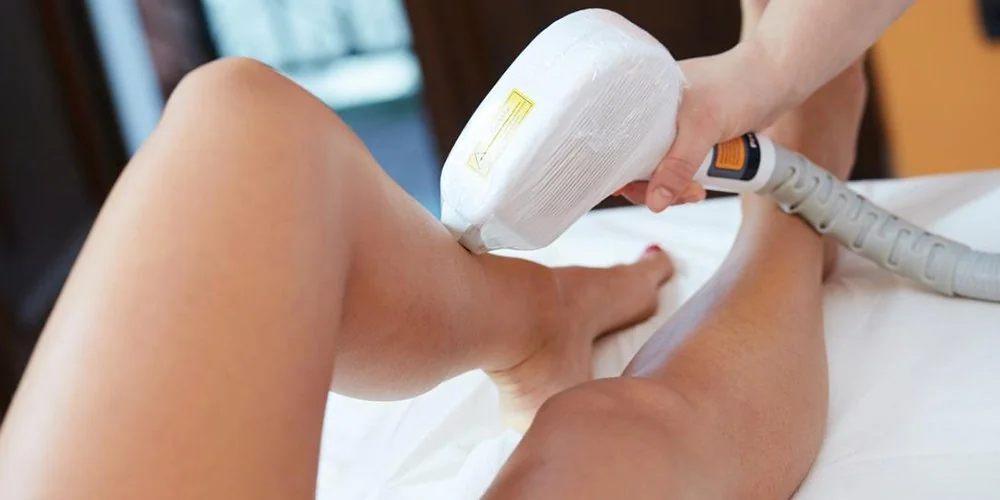
Laser targets hair follicles, not skin pigment.
Laser hair removal is not a skin-lightening or bleaching treatment. However, by cutting down on shaving friction, ingrown hairs and dark stubble shadow, it can help irritation-related underarm darkness settle over time.
If you’ve ever lifted your arm and felt a bit self-conscious about dark underarms, you’re definitely not alone. It’s one of the most common concerns we hear. People shave regularly, keep things clean, try one cream after another, and still the skin there seems to get a shade darker every year.
So, sooner or later, the question comes up: does laser hair removal lighten skin?
Here’s the honest answer. Laser hair removal can make dark underarms look better in some cases, especially when the darkness comes from constant shaving, ingrown hairs, or skin that’s always getting irritated. But it doesn’t bleach your skin, and it isn’t a skin-lightening treatment.
Devices like the Lumenis LightSheer Diode Laser are built to go after the hair follicle. Less hair means less shaving. Less shaving means less irritation. Over time, that can give your skin a chance to settle back toward its natural tone.
Let’s break down how it actually works, why underarms darken in the first place, and whether laser is the right fit for your underarm pigmentation.
Why Do Underarms Become Dark?
Doctors call it axillary hyperpigmentation, and it rarely has just one cause.
Think about everything your underarms go through in a day. They sweat, they rub against clothing, they get shaved, and they get sprayed or rolled with deodorant. All of that can irritate the skin. When skin is irritated often enough, it can respond by producing extra melanin, the pigment that gives skin its colour.
The usual suspects include:
- Frequent shaving. Every pass of the razor can leave tiny nicks and a bit of inflammation.
- Friction. Tight tops and constant rubbing add up.
- Ingrown hairs. A hair stuck under the skin can get inflamed and leave a dark mark behind.
- Deodorant irritation. Some fragrances and ingredients cause a reaction called contact dermatitis.
- Post-inflammatory hyperpigmentation. Skin often darkens after it’s been irritated or injured.
- Medical conditions. Acanthosis nigricans, which is sometimes linked to insulin resistance, causes darker, thicker skin with a velvety feel.
Shaving isn’t always the culprit. That’s why it really matters to figure out what’s causing the darkness before you pick a treatment.
Does Laser Hair Removal Lighten Skin?
Not directly, no. But if your dark underarms are tied to hair removal irritation, it can help in a roundabout way.
Shaving only cuts hair at the surface. The follicle underneath is still active, so the hair grows back in a day or two. And then you shave again. And again. Each time, there’s another round of friction, another chance for razor bumps, another bit of inflammation.
Laser works on a completely different level. It sends controlled light energy into the skin, and that energy is absorbed by the melanin in the hair. The heat damages the follicle, so over time it produces less hair.
Once there’s less hair, you simply don’t need to shave as much. That can:
- Cut down on repeated razor irritation
- Mean fewer ingrown hairs
- Reduce inflammation from hair removal
- Stop some new dark marks from forming
- Give existing post-inflammatory pigmentation time to fade
For a lot of people, the end result is underarms that look smoother and more even. That said, everyone’s skin responds differently. Laser hair removal can’t promise lighter skin.
How Does Frequent Shaving Cause Dark Underarms?
Shaving is quick, cheap and easy. No argument there. But if you have sensitive skin, doing it often can slowly push your underarms darker.
Repeated Friction
A razor is basically dragging a blade across your skin. Do that too often, with a blunt blade or without enough foam or gel, and you wear down the skin’s protective barrier. Constant low-level irritation can trigger inflammation, telling pigment cells (melanocytes) to make more pigment.
Ingrown Hairs
Sometimes a shaved hair curls back and grows into the skin instead of out of it. You get a red, itchy or sore bump. Eventually it calms down, but in people prone to post-inflammatory hyperpigmentation, it leaves a dark spot behind.
Here’s one people don’t always think about. Sometimes your underarms aren’t actually that pigmented at all. If your hair is thick or dark, the stubble just beneath the skin can show through after shaving. That shadow makes the whole area look darker and patchier than it really is. As laser hair reduction makes hair finer and sparser, that shadow tends to fade too.
How Does Lumenis LightSheer Diode Laser Help?
The Lumenis LightSheer Diode Laser is a professional device designed for hair reduction. Its diode laser energy is soaked up by the pigment in your hair, creating heat that damages the follicles that would otherwise keep producing new hair.
Its job is long-term hair reduction. It isn’t designed to treat pigmentation directly.
Benefits for Underarm Hair Removal
- Long-term hair reduction: After a series of sessions, most people see a big drop in underarm hair. You might need the odd maintenance session down the line.
- Fewer ingrown hairs: Less hair growing back means fewer of those annoying ingrowns and shaving bumps.
- Reduced dependence on razors: The less you shave, the fewer chances there are for cuts, friction and irritation.
- Smoother-looking skin: Thinner hair and fewer bumps make a real difference to how the area looks and feels.
- Potential improvement in uneven tone: If shaving-related inflammation is behind your dark underarms, taking that irritation away may let the pigmentation fade bit by bit.
Whether a diode laser suits you depends on your skin tone, your hair type, your medical history and the settings used. An experienced clinician should look at all of this before you start.
Does Diode Laser Remove Pigmentation?
This is probably the biggest misunderstanding about laser hair removal. A diode hair removal laser and a pigmentation laser are not the same thing.
Yes, they both use light. But they’re aiming at different targets. Diode hair removal goes after the melanin in hair follicles to slow down hair growth. Pigmentation treatments are chosen based on what kind of pigment is in the skin, how deep it sits and what caused it.
So if your dark underarms come from shaving irritation, diode laser hair reduction may help indirectly by removing the source of the problem. But if the darkness is down to hormones, acanthosis nigricans or another skin condition, it probably won’t be enough on its own.
It’s worth knowing that the wrong laser settings can cause burns, temporary darkening or post-inflammatory hyperpigmentation. This risk is higher in darker skin tones—which is exactly why a proper assessment comes first.
Shaving vs Laser Hair Removal for Dark Underarms
| Factor | Shaving | Laser Hair Removal |
|---|---|---|
| Hair reduction | Short-lived | Long-term reduction |
| How often | Usually every few days | A set of sessions, a few weeks apart |
| Ingrown hairs | Can cause them | Often helps reduce them |
| Skin friction | Razor contact again and again | Much less shaving over time |
| Hair shadow | Often still visible | Fades as hair thins out |
| Pigmentation | Irritation can make it worse | May indirectly improve irritation-related darkness |
| Upkeep | Ongoing shaving | Occasional top-up sessions |
If you’re stuck in a cycle of razor bumps and shaving-related dark marks, laser hair removal can be a more sustainable way out. Just keep in mind that neither option is a guaranteed fix for every kind of underarm pigmentation.
How Many Laser Sessions Are Needed for Underarms?
You’ll almost always need more than one session. That’s because hair grows in cycles, and not every hair is in the same phase at the same time. The laser works best on follicles that are in their active growth phase.
Most underarm treatment plans run to around 6–8 sessions. Some people need fewer, some need more, depending on their hair growth pattern, hormones and how their skin responds. Sessions are usually spaced a few weeks apart.
You won’t see a dramatic change overnight. Hair thins out gradually from one session to the next. Any change in pigmentation usually takes longer still, because existing dark marks have to fade on their own. And to be clear, laser gives you long-term hair reduction—it doesn’t promise that every last hair is gone for good.
Is Laser Hair Removal Safe for Dark Underarms and Indian Skin?
Laser hair removal can be done safely on many Indian skin tones, as long as the right device and the right settings are used. The catch is that darker skin has more melanin in its outer layer, meaning the skin itself can absorb more of the laser’s heat than you’d want.
Possible side effects include temporary redness, swelling, irritation, burns or changes in pigmentation. So before anything else, an experienced professional should check your skin type, your hair and any existing pigmentation. You may be advised to do a patch test first.
Be upfront about any history of sensitive skin, recent tanning, active infections or past pigmentation problems. It all helps. The aim is simple: get rid of the hair while keeping the skin around it safe.
Frequently Asked Questions
Will my underarms become lighter after laser hair removal?
They might look lighter if part of the darkness comes from hair shadow, ingrown hairs or shaving irritation. Results vary from person to person, though, and laser doesn’t bleach the skin.
Can diode laser remove dark underarm pigmentation permanently?
No. A diode laser for hair removal is mainly there to reduce hair growth. It won’t permanently clear every type of pigmentation, and you may need a separate treatment for that.
Can laser hair removal make underarms darker?
It can, yes. Pigmentation changes are a possible side effect, especially if the settings aren’t right for your skin or the area gets irritated. A proper assessment and good aftercare go a long way in preventing this.
Is laser better than shaving for underarm darkness?
If shaving keeps causing irritation, ingrown hairs or dark marks, laser may well be the better option. But the right choice really depends on what’s causing the darkness.
Should I use whitening creams after laser hair removal?
Hold off on strong exfoliating acids, bleaching agents or anything harsh right after treatment, unless your clinician has specifically told you to use them.
Laser Hair Removal in Jaipur: Consult Dr. Dhabhai
If shaving keeps leaving your underarms sore, bumpy or uneven, professional laser hair reduction could help you break that cycle.
At Dr. Dhabhai’s clinic in Jaipur, you can talk through your laser hair removal options and find out whether diode laser technology suits your skin and hair type. A consultation will also help pin down whether your underarm darkness comes from shaving, ingrown hairs, friction or something else that needs a different treatment.
Read more about Laser Hair Removal in Jaipur and ask about a treatment plan made for you.
Final Thoughts
So, does laser hair removal lighten skin? It can make dark underarms look better, but only indirectly. It isn’t a skin-lightening treatment.
What it does is cut down on unwanted hair, ingrown hairs and the constant irritation that comes with shaving. Over time, that can leave your underarms smoother and more even in tone.
The real key is understanding why your skin is dark to begin with. If you want realistic expectations and a safe experience, talk to a qualified laser professional before you start your underarm hair removal journey.
PERSONAL CARE / MALVIYA NAGAR, JAIPUR
Discuss underarm laser care.
Dr. Ravindra Dhabhai can examine your skin tone, hair type and pigmentation cause to advise a safe plan.
Above ICICI Bank, 1st Floor, Girdhar Marg, Malviya Nagar, Jaipur, Rajasthan 302017
CONTINUE EXPLORING
Explore your care options

For patient education. Discuss diagnosis and treatment with a qualified healthcare professional.