

SKIN HEALTH / PATIENT GUIDE
Best Sunscreen and Face Wash for Acne-Prone Skin: Dermatologist Recommended Routine
Choose sunscreen, face wash and moisturizer for acne-prone skin, and learn how to build a gentle morning and evening skincare routine.

BUILD A GENTLE ROUTINE
Cleanse, moisturize and protect.
Choose products that suit your skin and introduce new treatments gradually.
THE SHORT ANSWER
A consistent routine supports acne treatment.
Gentle cleansing, a suitable moisturizer and daily sun protection help care for acne-prone skin. Persistent or scarring acne warrants an assessment.
Ask ten people how to handle acne-prone skin and you’ll get ten different answers. Wash more. Wash less. Never touch a cream. Moisturizer? On oily skin?
Most of it is half right at best. Clearing breakouts has very little to do with scrubbing your face raw or drying out every bit of oil. What actually works is fairly boring by comparison. Keep the pores clear, keep the skin hydrated, protect it from the sun, and try not to irritate it along the way.
If you landed here after searching which sunscreen is best for acne prone skin, which face wash is best for oily skin and pimples, or which moisturizer is best for acne prone skin, good. Those are the right questions to be asking. No single product suits everybody, because so much depends on your skin type, how severe the acne is and what your skin tends to react to. Still, a few rules hold up for most people, and that’s what this post is about.
And yes, a heavy cream or the wrong cleanser can set off breakouts in some people. That doesn’t let oily skin off the hook when it comes to hydration and sun protection. You just have to be a bit pickier.
Why Acne-Prone Skin Needs a Special Skincare Routine
A pimple starts when a hair follicle gets blocked by sebum (your skin’s natural oil) and dead skin cells. Add some inflammation and a bacterium called Cutibacterium acnes, which lives on everyone’s skin whether they have acne or not, and you’ve got a breakout.
It doesn’t look the same on everyone. Some people mostly get blackheads and whiteheads. Others get small red bumps, pus-filled pimples, or the deep, sore ones that hurt when you so much as rest your chin on your hand. A lot of people also deal with a shine that’s back an hour after washing, dark marks that stay long after the pimple has gone, and in more severe cases, scars.
So your routine has two jobs. One is keeping pores from clogging. The other is looking after the skin barrier, the outer layer that holds water in and keeps irritants out.
That second job is where people slip up. Washing five times a day, using gritty scrubs, stacking three acne products at once. All of it wears the barrier down, and once that happens everything starts to sting, even products that were perfectly fine last month.
Which Sunscreen Is Best for Acne-Prone Skin?
The one you’ll actually wear every day. It sounds like a cop-out, but it’s true. A sunscreen that feels greasy ends up in a drawer, and a sunscreen in a drawer protects nobody.
When you’re comparing options, check for:
- SPF 30 or more
- “Broad-spectrum” on the label, meaning it covers UVA as well as UVB
- Non-comedogenic or oil-free
- A light texture, like a gel, fluid or lotion
- Nothing your skin has reacted badly to before
- Water resistance if you sweat a lot or swim
In hot, sticky weather (anyone who’s survived a Jaipur summer knows the feeling) a gel sunscreen usually feels far nicer than a thick cream.
One caution, though. “Gel” on the tube doesn’t promise you won’t break out. The full formula matters more than the format, and so does how your own skin responds to it. Packaging claims only tell you so much.
Why Can Thick Sunscreens Trigger Breakouts?
Plenty of people switch to a rich, greasy sunscreen and notice new spots a week or two later. There are a few likely reasons.
The formula might be very occlusive, meaning it sits heavily on top of the skin. In people who clog easily, that can add to the problem, although many occlusive ingredients are perfectly fine.
It could be the layering. Thick moisturizer, then sunscreen, then foundation, then setting spray. On oily skin, by mid-afternoon it feels like a coat of paint.
Sometimes the night cleanse is to blame. Sunscreen mixed with sweat, oil and makeup doesn’t always come off with a quick splash of water before bed.
And some ingredients, fragrance especially, can irritate sensitive skin and cause small bumps that look a lot like acne but aren’t.
None of this means thick sunscreens cause acne. Lots of cream formulas suit acne-prone skin just fine. You’re simply looking for one that protects you without leaving a fresh crop of pimples every week.
Physical vs Chemical Sunscreen: Which Is Better for Acne-Prone Skin?
Sunscreens are usually grouped by the UV filters inside them: mineral (also called physical), chemical, or hybrid, which is a mix of the two.
Mineral sunscreen (zinc oxide and titanium dioxide)
These use zinc oxide, titanium dioxide or both. Sensitive skin tends to tolerate them well, they’re less likely to sting, and fragrance-free versions are easy to find.
The catch is texture. Some are thick, and some leave a white or greyish cast that’s very obvious on medium and darker skin tones, which covers most of us in India.
Chemical sunscreen
These rely on filters like avobenzone and other approved ingredients that absorb UV rays. They’re often lighter, come in gels and fluids, and blend in without much residue. Some people find they sting, though, or make the eyes water if applied too close to them.
So which one should you pick?
Neither wins outright for acne-prone skin. Choose a broad-spectrum, non-comedogenic sunscreen your skin is comfortable with. If you’re sensitive, try a mineral one first. If heavy textures drive you mad, a light chemical or hybrid formula might suit you better.
Which Face Wash Is Best for Oily Skin and Pimples?
A decent face wash for oily, acne-prone skin should remove extra oil, sweat and dirt without leaving your face tight. That squeaky feeling many of us grew up thinking meant “clean”? It usually means you’ve overdone it.
Look for something gentle, with no gritty bits or scrub beads, that’s non-comedogenic, rinses off easily and suits how sensitive your skin is.
Salicylic Acid Face Wash
Salicylic acid is a beta-hydroxy acid (BHA), and it turns up in a huge number of acne products for good reason. It loosens dead skin cells and helps stop pores from clogging, so it’s useful for blackheads, whiteheads and milder acne.
Most cleansers contain somewhere between 0.5% and 2%. Reaching for the highest number won’t clear your skin any faster. Overdoing it tends to cause dryness, flaking and irritation, more so if you’re on other acne treatments too. If it’s new to you, start slowly, follow the instructions on the pack, and only use it more often if your skin is fine with it.
Gentle Foaming Face Wash
If your skin is already sensitive or irritated, a mild foaming cleanser may be the better pick. It takes care of surface oil without disturbing the barrier more than it needs to.
How Often Should You Wash Your Face?
Twice a day is plenty for most people, plus once after a sweaty workout. That’s what dermatologists generally recommend.
Feeling a little shiny at 3 pm isn’t a reason to wash again. Over-cleansing makes irritation more likely and doesn’t speed anything up.
Which Moisturizer Is Best for Acne-Prone Skin?
Oily skin needs moisturizer. We know it sounds backwards.
Acne-prone skin gets dehydrated easily, especially when you’re using salicylic acid, benzoyl peroxide or a prescription retinoid. Oil and water aren’t the same thing, and your skin can have too much of one and not enough of the other at the same time.
A good moisturizer keeps the barrier in shape and takes the edge off the dryness that acne treatments cause. A few ingredients worth looking for:
- Hyaluronic acid draws in moisture and holds it, usually without feeling heavy.
- Glycerin is a humectant that keeps skin hydrated.
- Ceramides help repair the barrier, which is handy when treatment is drying you out.
- Niacinamide can support barrier function and may help with redness and uneven tone.
On the label, look for “non-comedogenic,” “oil-free” or “suitable for acne-prone skin.”
Gel creams and light lotions feel comfortable on most oily skin. If you’re on a drying acne medicine, though, you might need something richer than you’d expect. Go by how your skin actually feels, not by the “for oily skin” sticker on the bottle.
Dermatologist-Recommended Morning and Night Skincare Routine
You don’t need ten steps. Three or four products used every day will do more than a shelf full of things you use when you remember.
Morning Routine
Step 1: Cleanse. Use a gentle cleanser. With oily skin and clogged pores, a salicylic acid face wash can work well, as long as it doesn’t irritate you.
Step 2: Moisturize. Something lightweight and non-comedogenic.
Step 3: Sunscreen. Broad-spectrum, SPF 30 or above. SPF 50 is good too.
Use enough to cover your face, ears and neck, the bits everyone forgets. If you’re outdoors, reapply about every two hours, and after swimming or sweating as the water-resistance instructions say.
Night Routine
Step 1: Remove sunscreen and makeup. Wash off the day’s sunscreen, makeup, sweat and oil with a gentle cleanser. On heavy makeup days, use a makeup remover first.
Step 2: Apply your acne treatment, if you have one. Treatments like adapalene, benzoyl peroxide or anything else your dermatologist has prescribed should be used exactly as you were told.
Step 3: Moisturize. A non-comedogenic moisturizer keeps dryness down and the barrier happy.
A word of advice: don’t add several new actives in the same week. Bring in one, give your skin a couple of weeks, then try the next. Start three at once and you’ll have no idea which one caused the flare-up.
Common Skincare Mistakes That Can Worsen Acne
Good products can still let you down if they’re used the wrong way. These are the mistakes we see again and again.
- Skipping sunscreen. UV exposure darkens post-acne marks and adds to skin damage. Many acne treatments also make skin more sun-sensitive, so daily sunscreen becomes a must.
- Harsh scrubs. Rubbing at inflamed acne only irritates it further and damages the barrier.
- Leaving out moisturizer. You’ll probably end up drier and more irritated, especially in the middle of treatment.
- Changing products every week. You’ll never find out what’s helping and what’s hurting.
- Popping pimples. Tempting, we get it. But squeezing raises the odds of more inflammation, dark marks and permanent scars.
- Expecting overnight results. Most acne treatments need several weeks of regular use before anything shows. Bigger changes can take two to three months, depending on the treatment and how severe the acne is. Slow is normal here.
Can Sunscreen and Face Wash Remove Acne Scars?
Not deep or pitted scars, no.
Both are a big part of managing acne, but they can’t undo scarring that’s already set into the skin. Sunscreen protects against the UV that makes post-inflammatory hyperpigmentation (the dark marks pimples leave behind) look worse. A salicylic acid cleanser helps with clogged pores and mild breakouts. Neither one repairs structural scarring.
Stubborn scars usually need treatment done or guided by a dermatologist, chosen according to the scar type and your skin. Options include:
- Microneedling
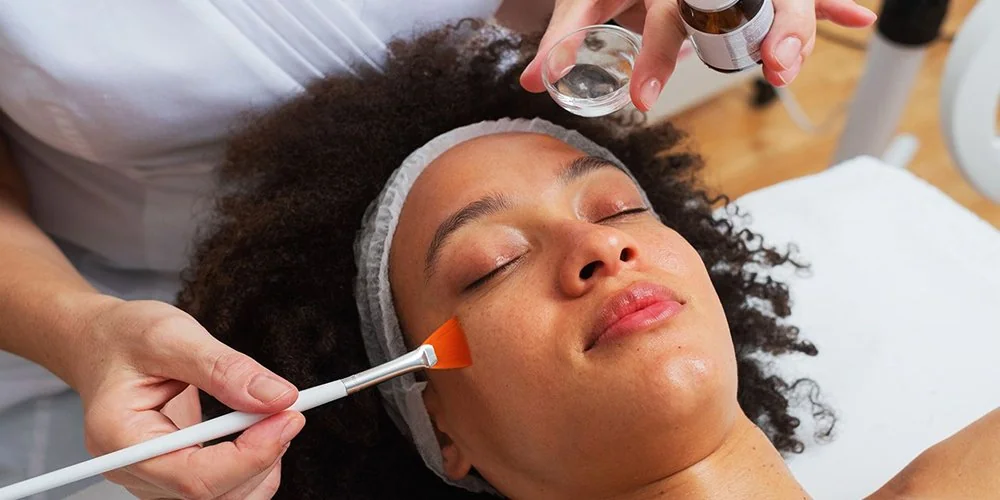
- Chemical peels (for certain concerns)
- Laser resurfacing
- Subcision
- Other procedures aimed at specific kinds of scars
Which one suits you depends on your skin tone, how deep the scars are, whether you still have active acne, and your medical history.
If you’d like to read more about professional scar treatment, have a look at “Dr. Dhabhai – Acne Scar Removal in Jaipur” (Acne scar treatment in Jaipur).
When Should You Consult a Dermatologist?
It’s worth booking an appointment if your acne is painful, deep or keeps coming back, or if it’s starting to leave scars. The same goes if over-the-counter products haven’t done much after a fair try, if your skin stays red, dry or irritated, or if every new product seems to set off another breakout. And if acne is getting to your confidence or your daily life, that’s reason enough on its own.
Treating inflammatory acne early lowers the chance of permanent scarring. Waiting years for it to sort itself out rarely ends well.
Frequently Asked Questions
Which sunscreen is best for acne-prone skin?
A lightweight, non-comedogenic, broad-spectrum sunscreen with SPF 30 or more. Gel formulas tend to feel nicer on oily skin.
Which face wash is best for oily skin and pimples?
A gentle foaming cleanser for everyday use. If your skin tolerates it, a salicylic acid face wash can help with clogged pores and mild acne.
Which moisturizer is best for acne-prone skin?
A non-comedogenic one with ingredients like glycerin, hyaluronic acid or ceramides. Gel creams and light lotions usually sit well on oily skin.
Does zinc oxide sunscreen cause pimples?
Zinc oxide itself isn’t generally considered pore-clogging. The rest of the formula is what decides whether your skin gets along with the product.
Can I use salicylic acid face wash every day?
Some people can. Others get dry or irritated. It comes down to your skin’s sensitivity, the strength of the product and whatever other acne treatments you’re using.
Is SPF 50 better than SPF 30 for acne-prone skin?
Both give strong UVB protection when applied properly. SPF 50 offers slightly more, but neither makes up for using too little or skipping reapplication.
Conclusion
Picking the best sunscreen, face wash and moisturizer for acne-prone skin doesn’t need to be complicated.
Start with a gentle cleanser, a non-comedogenic moisturizer and a broad-spectrum sunscreen. Salicylic acid can help keep pores clear, and keeping your skin hydrated makes acne treatments far easier to live with. Mineral and chemical sunscreens can both do the job well, as long as the formula agrees with your skin.
Skincare alone won’t always be enough for moderate or severe acne, though, and existing scars usually need specialised treatment.
If you’re dealing with stubborn acne, breakouts that keep returning, or scarring, see a qualified dermatologist for a plan built around your skin.
Want to explore your options? Learn more about acne and scar treatment at “Dr. Dhabhai – Acne Scar Removal Jaipur” (Acne scar treatment in Jaipur).
PERSONAL CARE / MALVIYA NAGAR, JAIPUR
Discuss acne and your skincare routine.
Dr. Ravindra Dhabhai can examine your skin and discuss suitable treatment options.
1st Floor, Plot No. 32, Above ICICI Bank, Girdhar Marg, Malviya Nagar, Jaipur, Rajasthan 302017
CONTINUE EXPLORING
Explore your care options
For patient education. Discuss diagnosis and treatment with a qualified healthcare professional.