
HAIR RESTORATION / COST GUIDE / 2026
How much does a hair transplant cost in India?
Grafts, techniques and the costs beyond surgery. Know what shapes your quote before you choose a clinic.

THE SHORT ANSWER
A personal assessment comes before a price.
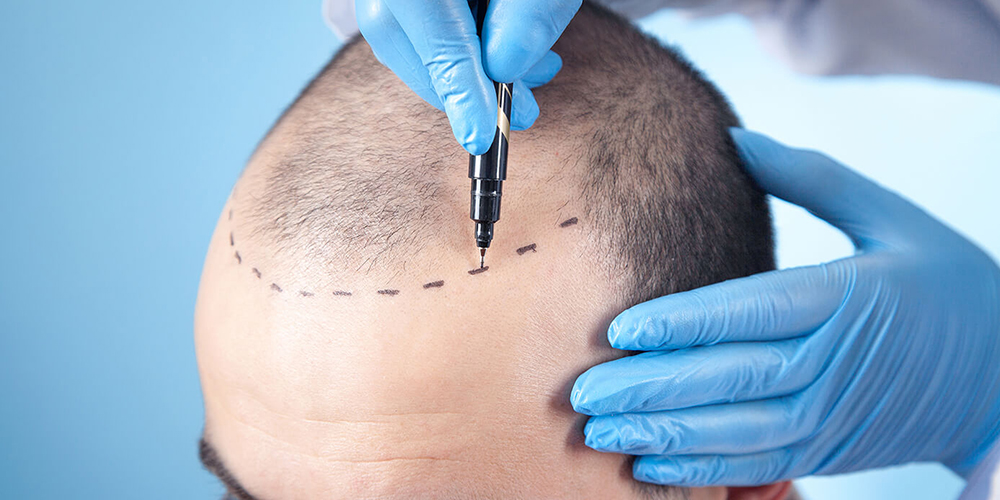
There is no single price that fits every scalp. Your graft requirement, technique, donor hair and package inclusions shape the total. Ask for an itemised quote after your consultation.
Let’s talk money. Because let’s be honest, that’s one of the first things on your mind.
You’ve noticed the thinning. You’ve maybe even started hiding it with a cap or a clever hairstyle. And now you’re wondering, “Okay, if I go for a transplant, how much is this going to set me back?”
The tricky part is that there’s no single price. Ask two people who’ve had a transplant and you might hear two very different numbers. Both could be telling the truth.
So in this guide, we’ll break it all down in plain words. How clinics work out the price, what makes it go up or down, the costs people often forget, and how to get a real quote for your own scalp.
So, What’s the Actual Price?
Here’s the honest answer: hair transplant pricing varies by clinic and by your situation. There’s no one-size-fits-all number. Any figure you see online is only a rough starting point, not your bill.
What you finally pay depends on:
- how many grafts you need
- the technique used
- the surgeon’s experience
- the clinic setup
- what’s included in the package
Your final amount might also cover the consultation, blood tests, medicines, aftercare and any extra treatments you choose.
And honestly, the only way to know your real cost is to get your scalp checked by a dermatologist. They’ll also tell you whether a transplant is even the right move for you.
Wait, What Does “Per Graft” Even Mean?
Good question. Most clinics charge based on the number of grafts they move.
Here’s something many people don’t know. A graft is not one hair. It’s a tiny natural bunch of hair that grows together from the same spot, usually with one to four hairs in it.
So if you get 2,500 grafts, you’re actually getting more than 2,500 hairs. Nice bonus, right?
The doctor takes these grafts from the back or sides of your head (the donor area). Then they plant them where your hair has thinned.
The basic maths is simple:
So the more grafts you need, the higher the total. But the per-graft price doesn’t tell you the full story.
Imagine two clinics both quote you 2,500 grafts at the same price. In one, the doctor does the key steps personally, plans your hairline carefully and follows up with you for months. In the other, the doctor pops in for five minutes and technicians do the rest. Same price on paper. Very different experience.
So always compare the full package, not just the number on the poster.
1,500 vs 2,500 vs 3,500 Grafts: What’s the Difference?
The number of grafts is one of the biggest things that shapes your cost. Here’s what each range usually means.
1,500 Grafts: This is usually for smaller jobs. Think a hairline that’s started creeping back a little, or thinning at the temples.
2,500 Grafts: This is for more noticeable hair loss, like when the front and the middle of your scalp have both started thinning.
3,500 Grafts: This is for bigger areas that need a lot more coverage.
But here’s an important bit. Not everyone has enough donor hair to give 3,500 grafts safely in one go. Your doctor needs to check the back of your head carefully before planning a big session like this.
The cost for each of these varies by clinic and by your scalp. That’s exactly why a personal check-up matters more than any price list.
How Many Grafts Will You Actually Need?
This depends on a few things:
- how big the thin area is
- how much hair you still have there
- how thick your hair strands are
- what your scalp is like
- how much donor hair is available
Here’s a rough idea:
| Type of hair loss | Illustrative graft range |
|---|---|
| Slight thinning at the temples | 800–1,500 |
| Receding hairline at the front | 1,500–2,000 |
| Front and middle of the scalp thinning | 2,000–3,000 |
| Larger areas needing coverage | 3,000–3,500+ |
Think of this as a ballpark, not a prescription. Your doctor will give you the real number.
How Do Doctors Work It Out?
Here’s a simple version of the maths:
So if the area is 60 cm² and the doctor plans 30 grafts per cm², that’s 60 × 30 = 1,800 grafts.
In real life, the doctor might adjust that number. If you’ve still got some hair in that area, you may need fewer. If donor hair is limited, they may plan a lighter density.
And here’s something people often get wrong. More grafts doesn’t always mean a better result. If too much hair is taken from the back, that area can end up thin forever. A good doctor balances what looks good today with what’s left for later.
Does the Technique Change the Price?
Yes, it does. Different techniques need different tools, take different amounts of time and involve different levels of work. All of that affects the cost.
FUE (Follicular Unit Excision): The doctor takes out hair roots one small bunch at a time using tiny round cuts. There’s no long scar at the back, but you will have lots of tiny dot-like marks. With normal-length hair, these are usually hard to see.
FUT (Follicular Unit Transplantation): This one’s also called the “strip method.” The doctor removes a thin strip of skin from the back of your head and separates the grafts from it. It can be a good choice for some patients and is often priced lower than FUE. The catch is that it leaves a line-shaped scar.
DHI (Direct Hair Implantation): The doctor usually places the grafts with a special pen-like tool called an implanter. It’s often sold as a premium option and usually costs more.
But don’t fall for the label alone. DHI isn’t automatically better than regular FUE. The doctor’s skill, planning and how carefully the grafts are handled matter a lot more than the name of the method.
What Is “Bio-Enhanced FUE,” and Why Does It Cost More?
You’ll probably come across this term while comparing clinics. Sounds impressive, doesn’t it?
Here’s the thing though. There’s no single official definition of Bio-Enhanced FUE. Every clinic can mean something slightly different by it.
Depending on where you go, it might include:
- PRP (a treatment made from your own blood)
- Growth factor treatments
- Special solutions to keep grafts fresh
- Different ways of handling the grafts
All these extras mean more materials, more processing and sometimes more sessions. So naturally, the price goes up.
Now, is it worth it? Some research suggests PRP may help when used with a transplant. But most of these studies are small, and they don’t all follow the same method. So we can’t say for sure that every “enhanced” package gives better results.
Before paying extra, ask the clinic:
- What exactly am I getting in this “enhanced” package?
- Is there real research behind it?
- Is it right for my scalp?
- How much does it cost on its own?
- Do I actually need it, or is it optional?
A fancy name alone doesn’t prove your grafts will grow better.
6 Things That Decide How Much You’ll Pay
1. How Many Grafts You Need: Bigger area, more grafts, higher cost. Simple. Some clinics also charge different per-graft rates depending on how big the session is.
2. The Surgeon’s Experience: A well-trained, experienced doctor will usually charge more, and there’s a reason. They’re better at:
- judging your case
- designing a natural hairline
- protecting your donor area
- doing the surgery well
All of this affects both your safety and how good the result looks.
3. Your Donor Hair: The planning gets harder if the hair at the back is thin or fine, or if you’ve already had a transplant before. Sometimes the safest choice is to cover a slightly smaller area rather than over-harvest the back.
4. The Technique and Tools: FUE, FUT, DHI and other methods all use different tools and steps. Fancier tech can add to the cost. But the clinic should be able to clearly explain why you need it.
5. The Clinic Setup: Proper sterilisation, a real operation theatre, trained staff, emergency backup and good aftercare all cost money to run. And they’re exactly the things that keep you safe.
6. Follow-Up and Extra Treatments: Your package might include check-ups, hair-washing guidance, medicines, PRP or GFC sessions. Always confirm what’s included before you compare prices between clinics.
Hidden Costs People Often Forget
The surgery quote isn’t always the full picture. Here’s what you might need to pay for on top:
- Blood tests
- Medicines
- An aftercare kit
- Follow-up visits
- Travel, if you’re coming from another city
- PRP or GFC sessions, if recommended
Also, some people need to keep taking medicines long term to protect the hair that wasn’t transplanted. That’s an ongoing cost worth thinking about.
So ask the clinic for an itemised quote, with every compulsory and optional charge listed separately.
And check how they charge. It could be based on the grafts actually planted, a fixed package, or a minimum session fee. This makes a big difference when you’re comparing.
Why a Cheap Technician Can Be a Costly Mistake
Let’s get one thing clear. A hair transplant is surgery. It’s not a haircut or a salon treatment.
In September 2022, India’s National Medical Commission (NMC) released guidelines on this. They say any surgical step that involves cutting the skin must be done by a properly trained, licensed doctor. That includes taking out the grafts from the donor area and making the openings where new grafts go. Read the NMC guideline.
Trained assistants can help with certain supporting tasks, but only under the doctor’s supervision. That doesn’t mean a technician can go ahead and do the surgery on their own.
When the wrong person does the surgery, things can go wrong:
- You might get surgery you didn’t really need
- Too much hair might be taken from the back
- The grafts might not grow well, or grow unevenly
- Your hairline might look unnatural
- You could get an infection or scarring
- If there’s a medical emergency, nobody may be properly trained to handle it
The International Society of Hair Restoration Surgery (ISHRS) has also warned patients about surgeries being handed over to unlicensed technicians. See the ISHRS patient warning.
So before you book, ask one simple question: “Who exactly will be doing my surgery?” Then check that person’s medical qualifications.
To be fair, a low price doesn’t always mean a clinic is unsafe. But if the deal is very cheap and they can’t clearly tell you who the surgeon is, that’s your cue to walk away.
How to Choose a Hair Transplant Clinic in Jaipur
When you’re comparing clinics, look beyond the price. Ask yourself:
- Will a qualified dermatologist or trained surgeon actually examine me?
- Will they check my donor hair properly?
- Will they tell me about other options, not just surgery?
- Will they plan the procedure personally?
- Do I clearly understand what result to expect, what the limits are, what could go wrong and what the follow-up looks like?
If the answer to most of these is “no,” keep looking.
At Dr. Dhabhai’s Skin Clinic in Jaipur, Dr. Ravindra Dhabhai, an MD dermatologist, does a full hair and scalp check before talking about surgery at all.
He looks at:
- what’s actually causing your hair loss
- how much donor hair you have
- your age
- how your hairline should be designed
- what your hair might look like years down the line
And here’s something we’ll always be upfront about: not everyone needs a transplant. For some types of hair fall, medicines or other treatments work better.
Quick Answers to Common Questions
How much does a hair transplant cost in India?
It varies by clinic and by your situation. Your total depends on how many grafts you need, the technique, your medical check-up and what’s included in the package. A scalp examination is the only way to get a reliable figure.
Is there a fixed per-graft rate in Jaipur?
No. Per-graft rates differ from clinic to clinic, and they also depend on the technique and the size of the session. Always ask for an itemised quote after your consultation.
How much do 2,500 grafts cost?
That depends on the clinic, the technique and what’s included. The surgery itself is usually just one part of the bill, and extra services are often charged separately. Your doctor can give you a custom quote once your scalp has been assessed.
Is a hair transplant permanent?
The transplanted hair comes from areas that usually resist hair loss, so it can last a long time. But the hair that wasn’t moved may keep thinning.
When will I see results?
Some of the new hair usually falls out in the first few weeks. That’s normal. New growth comes in slowly, and most people see a real difference around six to nine months. Full results can take a year or more.
Is Bio-Enhanced FUE better than regular FUE?
Not always. It depends on what’s actually included, whether there’s good evidence behind it and whether it suits your scalp. The fancy name alone doesn’t guarantee better results.
Get Your Custom Quote in Jaipur
Knowing what affects the cost helps you plan. But please don’t pick a clinic just because it has the lowest price.
The right treatment depends on:
- your diagnosis
- how much donor hair you have
- what result is realistic for you
- having a properly qualified team doing your surgery
PERSONAL CARE / MALVIYA NAGAR, JAIPUR
Get a quote built around you.
Meet Dr. Ravindra Dhabhai, MD Dermatologist, for a scalp and donor-area assessment, a personalised treatment plan and a clear, itemised quote.
1st Floor, Plot No. 32, Above ICICI Bank, Girdhar Marg, Malviya Nagar, Jaipur, Rajasthan 302017
CONTINUE EXPLORING
Explore your care options



Medical disclaimer: This article shares general information only. It is not a medical check-up and is not a price quote for your treatment. Graft requirements, results and costs vary by patient.