Shopping cart

Laser Tattoo Removal in Jaipur | Dr. Dhabhai’s Clinic

  • Home
  • Laser Tattoo Removal in Jaipur | Dr. Dhabhai’s Clinic


Dermatologist-Led Laser Tattoo Removal at Dr. Dhabhai’s Clinic

Laser Tattoo Removal in Jaipur

A tattoo takes an afternoon to put on. Taking it off is a course of treatment, and anyone who tells you otherwise is selling something. The ink sits below the layer of skin that renews itself, which is exactly why it has stayed sharp for years and why creams, scrubs and salon peeling treatments have never touched it.

Dr. Dhabhai’s Clinic offers laser tattoo removal in Jaipur that starts with an examination rather than a package price. Your plan is put together by a dermatologist and reflects three things: the ink itself, the way your skin behaves, and a realistic account of how many sittings the tattoo is likely to need.

This matters because no two tattoos clear at the same rate. A single black outline on the forearm, a dense five-colour shoulder piece and a cover-up hiding older ink underneath all behave differently under the same laser. Predictable results come from matching wavelength, energy and spacing to what is actually in the skin.

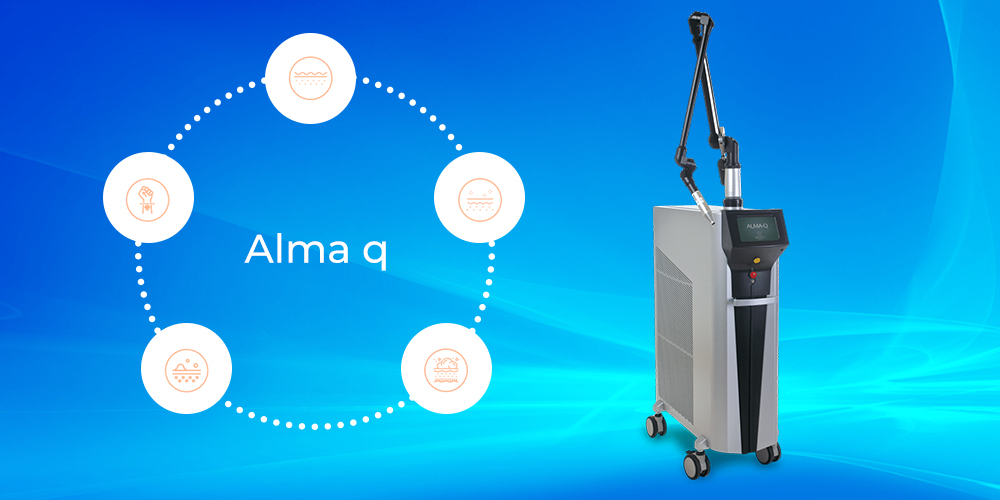
Laser Tattoo Removal in Jaipur - ALMA Q Laser Dr. Dhabhai Clinic

Advanced Q-Switch & Pico Tech

Dr. Dhabhai Skin Clinic

🔬
Targeted Ink Breakdown
Q-Switched Nd:YAG & Picosecond technology for Indian skin

📍
LOCATION
Malviya Nagar, Jaipur
Above ICICI Bank, 1st Floor, Girdhar Marg
🗺️ Google Maps Directions ➔


📞 Call +91 97727 60561

Scientific Mechanism

Understanding How Tattoo Ink Behaves

When a tattoo is made, pigment is deposited past the epidermis into the dermis below. Your immune cells surround the particles and try to clear them, but the fragments are too large to carry away, so they stay put. That stalemate is what keeps a tattoo legible for decades.

A Q-switched or picosecond laser interrupts it. Energy is delivered in pulses lasting billionths of a second, and the pigment absorbs it faster than it can pass heat to the surrounding tissue. The particle fractures into pieces small enough for the lymphatic system to remove. The laser does not erase ink. It reduces it to a size your own body can finally clear, over the weeks that follow each session.

The types of ink a dermatologist assesses before planning treatment include:

🎯 Professional tattoos
Pigment placed densely and evenly at a consistent depth, usually requiring more sittings.
🎯 Amateur or hand-poked tattoos
Shallower and less uniform, and often quicker to fade.
🎯 Cover-up tattoos
Two or more layers of ink stacked in the same area, which changes both the plan and the timeline.
🎯 Cosmetic tattooing
Brow, lip and liner pigment, frequently containing iron or titanium oxide.
🎯 Traumatic tattoos
Pigment driven into the skin by an injury rather than a needle.

Most tattoos also carry more than one colour, and colours do not clear together. That combination of depth, density and pigment mix is why the tattoo has to be seen in person before anything sensible can be said about it.

Treatment Protocols

Laser Tattoo Removal Approaches in Jaipur

Depending on what the assessment shows, your plan may draw on one of the following or a sequence of them.

Q-Switched Nd:YAG Laser Tattoo Removal

Q-Switched Nd:YAG Laser

The established workhorse of tattoo removal, delivering nanosecond pulses at wavelengths that black and dark blue pigment absorb strongly. It remains a dependable choice for the majority of single-colour and predominantly dark tattoos.

Picosecond Laser Tattoo Removal

Picosecond Laser

Shorter pulses fragment pigment through a more mechanical, less thermal effect. This can mean fewer sittings for some tattoos and can help with stubborn particles that have stopped responding to nanosecond treatment.

🎨

Multi-Wavelength Treatment for Coloured Ink

Different pigments absorb different wavelengths, so a coloured tattoo is treated colour by colour rather than all at once. Greens, teals and sky blues in particular need specific wavelengths to shift at all.

🔬

Test Patch Assessment

A small area is treated first and reviewed before the whole tattoo is committed to. This is used where the skin type, the ink colour or a history of pigmentation problems makes it worth confirming how the skin responds.

🎯

Selective Removal

The laser can be worked precisely enough to target one part of a design — a name, a date, a section of lettering — while leaving the surrounding artwork intact.

🔄

Fading for a Cover-Up

Where the goal is a new tattoo rather than blank skin, treatment aims at a specific level of lightening rather than full clearance. This usually needs fewer sittings, and your tattoo artist can advise how faint the base needs to be.

Clinical Factors

What Determines Your Treatment Plan

There is no default protocol. The recommendation depends on a combination of factors, including:

• Professional vs amateur & pigment density
• Colours present & underlying earlier ink
• The depth at which the ink sits
• Body site & circulation to the area
• The age of the tattoo
• Skin type, tone & tendency to pigmentation
• Previous removal attempts & skin reaction
• Goal: full clearance vs cover-up fading

At the consultation your dermatologist examines the tattoo directly and builds the plan around what is actually there.

Clinical Excellence

Why Patients Choose Dr. Dhabhai’s Clinic

Good tattoo removal depends far more on reading the ink and the skin correctly than on the badge on the machine. Our approach stays dermatologist-led from assessment through aftercare.

🔍 Complete Clinical Assessment
A full assessment of ink type, depth, colour mix and site
📋 In-Person Sittings Estimate
An estimate of sittings given after examination, never over the phone
🇮🇳 Indian Skin Calibration
Settings selected with Indian skin types in mind, advanced gradually
🔬 Pre-Treatment Test Patch
A test patch where the skin type or ink colour calls for one
📸 Photographic Progress Tracking
Photographs at each visit so fading can be tracked accurately
📝 Transparent Guidance
Clear guidance on downtime, aftercare and risks specific to your skin

The aim is steady clearance at a pace your skin can tolerate safely, with no promises made that the treatment cannot keep.

What Happens at Your Consultation

The session begins with an examination of the tattoo and a conversation about your goal — complete removal, partial removal or fading for new work. Your skin type, medical history, tendency to scar and any earlier removal attempts all feed into the assessment.

You will then be taken through:

  • Whether your tattoo is a suitable candidate, and which colours are likely to resist
  • The laser and wavelengths recommended, and why
  • An estimated number of sittings and the interval between them
  • The degree of fading it is reasonable to expect
  • Downtime and aftercare after each session
  • Per-session cost and a working estimate for the course
  • Possible risks and side effects

Photographs are taken at the first visit and repeated throughout.

What a Session Involves

The area is cleaned and photographed, and protective eyewear is worn. The laser then passes over the tattoo in pulses. Patients most often describe the sensation as hot oil flicking against the skin, or an elastic band snapped quickly.

It is brief: a small tattoo may take only a couple of minutes, while a large piece is usually treated in sections across separate visits. Numbing cream or cooling can be arranged where the site or your pain threshold calls for it.

A white frosting appears over the tattoo almost immediately and settles within about an hour. Redness, swelling and warmth follow, sometimes with small blisters or a light crust over the next few days.

How Many Sessions Will I Need?

This varies considerably. Amateur ink and simple black designs may respond within a modest number of sittings, while dense professional work, multicoloured pieces and cover-ups commonly need a longer course. Two people with visually similar tattoos rarely finish in the same number of sessions, because clearance depends on individual immune response and circulation as much as on the ink.

Sessions are deliberately spaced several weeks apart. Crowding them does not accelerate anything; it only raises the risk of blistering, pigment change and scarring, and denies the body the time it needs to clear fragmented pigment. A realistic estimate can be given once the tattoo has been examined, and it is revised as your skin shows how it responds.

Can a Tattoo Be Removed Completely?

Laser treatment is intended to break down and clear pigment substantially — not to guarantee blank skin, and any clinic promising complete removal before seeing the tattoo is overstating what the technology can deliver.

Many tattoos do fade dramatically. Some leave a faint shadow of residual pigment or a slight change in skin texture, and certain ink colours never clear entirely. How close you get depends on the ink, the site, your healing response and how well the plan is matched to the tattoo.

If a completely clear patch of skin is the only acceptable outcome for you, say so at consultation so you can be told frankly whether that is achievable.

🛡️

Laser Tattoo Removal for Indian Skin

Most Indian patients fall around Fitzpatrick type IV or V. Melanin absorbs laser energy in much the same way tattoo pigment does, so settings that suit lighter skin can deposit energy where it is not wanted on brown skin.

The consequence is rarely dramatic, but it is lasting: a pale patch where the tattoo used to be, or a brown shadow that outlives the ink. Post-inflammatory hyperpigmentation is considerably easier to prevent than to correct. Fluence, wavelength, session spacing and aftercare are therefore adjusted for skin type rather than copied from generic protocols, and energy is built up gradually across sessions instead of starting high.

A slightly slower plan on deeper skin tones is not caution for its own sake. It is how the course finishes with skin that looks like skin.

Aftercare and What to Expect Between Sessions

Clearance continues long after you leave the clinic, since the body removes fragmented pigment over following weeks.

• Keeping area clean, covered and moisturised as directed
• Not picking, scratching or opening blisters to avoid scarring
• Consistent sun protection over the area for the full course
• Avoiding swimming pools, steam and heavy sweating
• Using prescribed creams or medications
• Contacting the clinic promptly if anything looks infected

When Treatment Should Be Postponed

Treatment is deferred where the area is infected, broken, sunburnt, or carries a tattoo that has not finished healing — usually a matter of a few weeks to a couple of months after the ink was placed.

Patient Clarity

Frequently Asked Questions

Which laser is best for tattoo removal in Jaipur?

That depends on your ink. Q-switched Nd:YAG suits most dark tattoos, while picosecond technology and additional wavelengths become relevant for coloured or resistant pigment. After examining the tattoo, a dermatologist can advise which is appropriate and whether a combination is needed.

Is laser tattoo removal painful?

Most patients describe it as sharper than getting the tattoo but far shorter in duration. Numbing cream or cooling can be arranged in advance where the area is sensitive.

Will it leave a scar?

Not in most patients. Risk increases with aggressive settings, poor aftercare, a tendency to keloid formation, or picking at blisters. Existing scarring from the original tattooing may also become more noticeable as the ink fades, which is worth knowing beforehand.

Can the tattoo come back after removal?

Pigment that has been fragmented and cleared by the body does not return. What can remain is pigment that was never fully cleared in the first place, which is a different situation and one you will be told about honestly during the course.

Does laser work on coloured tattoos?

Many do respond, but colour by colour rather than all at once. Black and dark blue usually clear first. Greens, teals, reds and yellows need specific wavelengths and often more sittings, and some shades may not clear completely.

Can only part of a tattoo be removed?

Yes. The laser can be applied selectively, so an unwanted name, date or section can be targeted while the rest of the design is left untouched.

I only want it faded for a cover-up. Does that take less time?

Usually, yes. Fading to a level your tattoo artist can work over needs fewer sittings than full clearance. Bring their input to the consultation so the endpoint can be planned properly.

Can I go back to work the same day?

Most patients do. The area will be red, tender and dressed, and gym, swimming and steam should be avoided until the skin has settled.

Do I need a patch test?

For deeper skin tones, unusual ink colours or a history of pigmentation problems, it is advisable. It is a small step that prevents a significant regret.

What does laser tattoo removal cost in Jaipur?

Cost depends on the size of the tattoo, the number and type of colours, how densely the pigment sits, its position on the body, the laser required and the number of sittings realistically needed. A per-session cost and a working estimate for the full course can be given once a dermatologist has examined the tattoo.

Consult a Dermatologist for Laser Tattoo Removal in Jaipur

If you have ink you no longer want, a properly matched treatment plan will tell you more in fifteen minutes than another year of conflicting search results. You will know whether laser can achieve what you want, roughly how long it will take, what it will cost and what your skin can safely handle.

Visit Dr. Dhabhai’s Clinic for a consultation and find out which approach to laser tattoo removal in Jaipur suits your ink and your skin type.

📍 Dr. Dhabhai’s Skin Clinic
Above ICICI Bank, 1st Floor, Girdhar Marg, Malviya Nagar, Jaipur, Rajasthan 302017
🕒 Timings: Mon-Sat 10:00 AM – 8:00 PM | 📞 Call & WhatsApp: +91 97727 60561